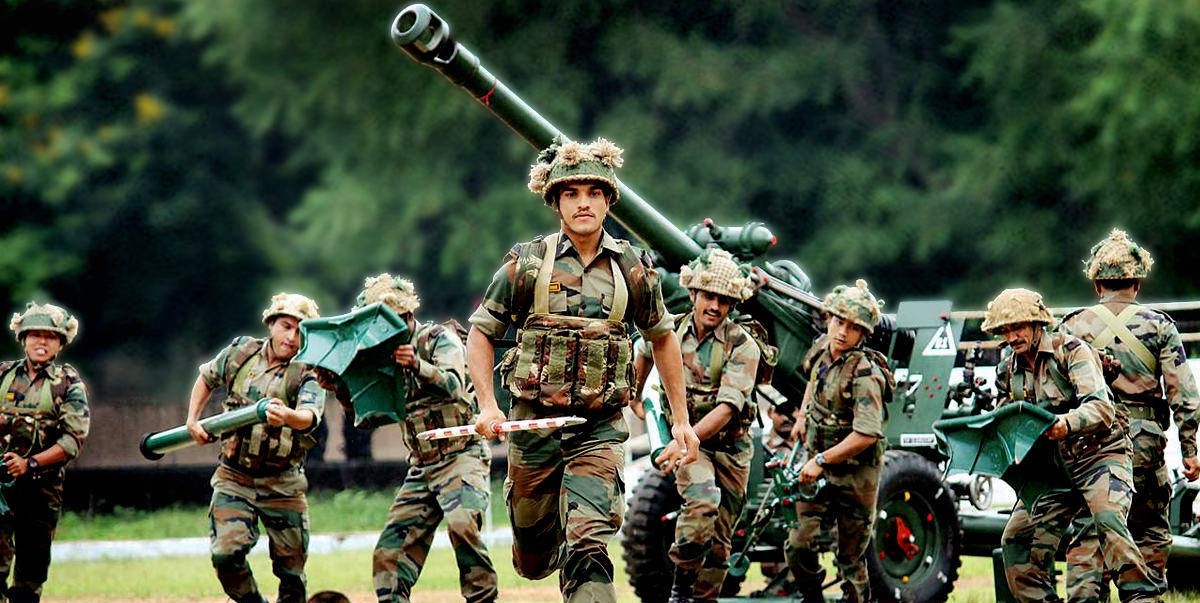
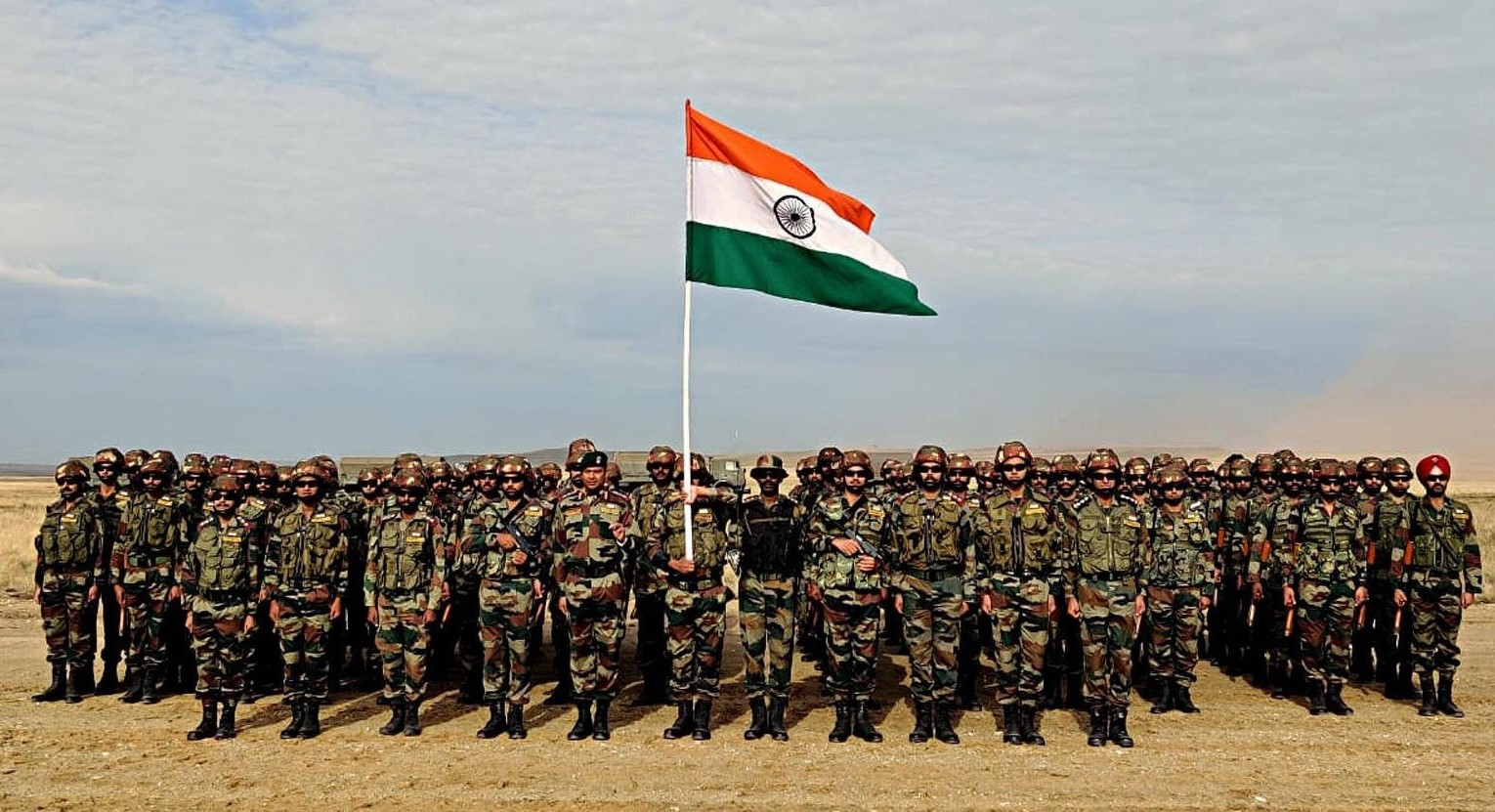
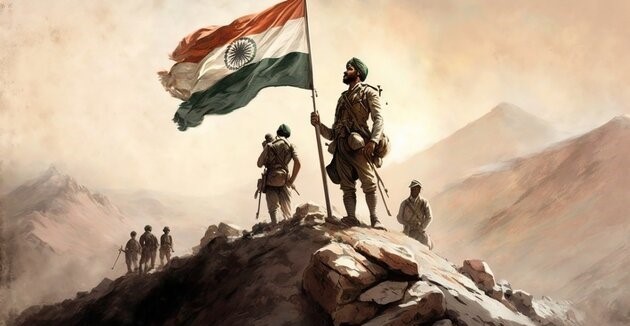
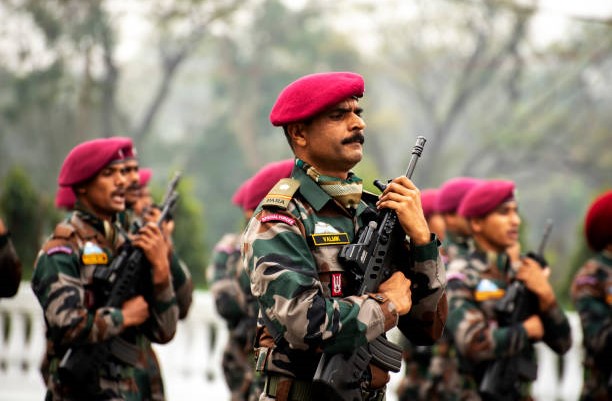
In 1776, a Military Department was created within the government of the East India Company at Calcutta. Its main function was to record orders that were issued to the army by various departments of the East India Company for the territories under its control. The Indian Army was a critical force for maintaining the primacy of the British Empire, both in India and throughout the world. Besides maintaining the internal security of the Indian Empire, the Army fought in many other theatres: Third Anglo-Afghan war; the Boxer Rebellion in China; in Abyssinia and in the First and Second World Wars.
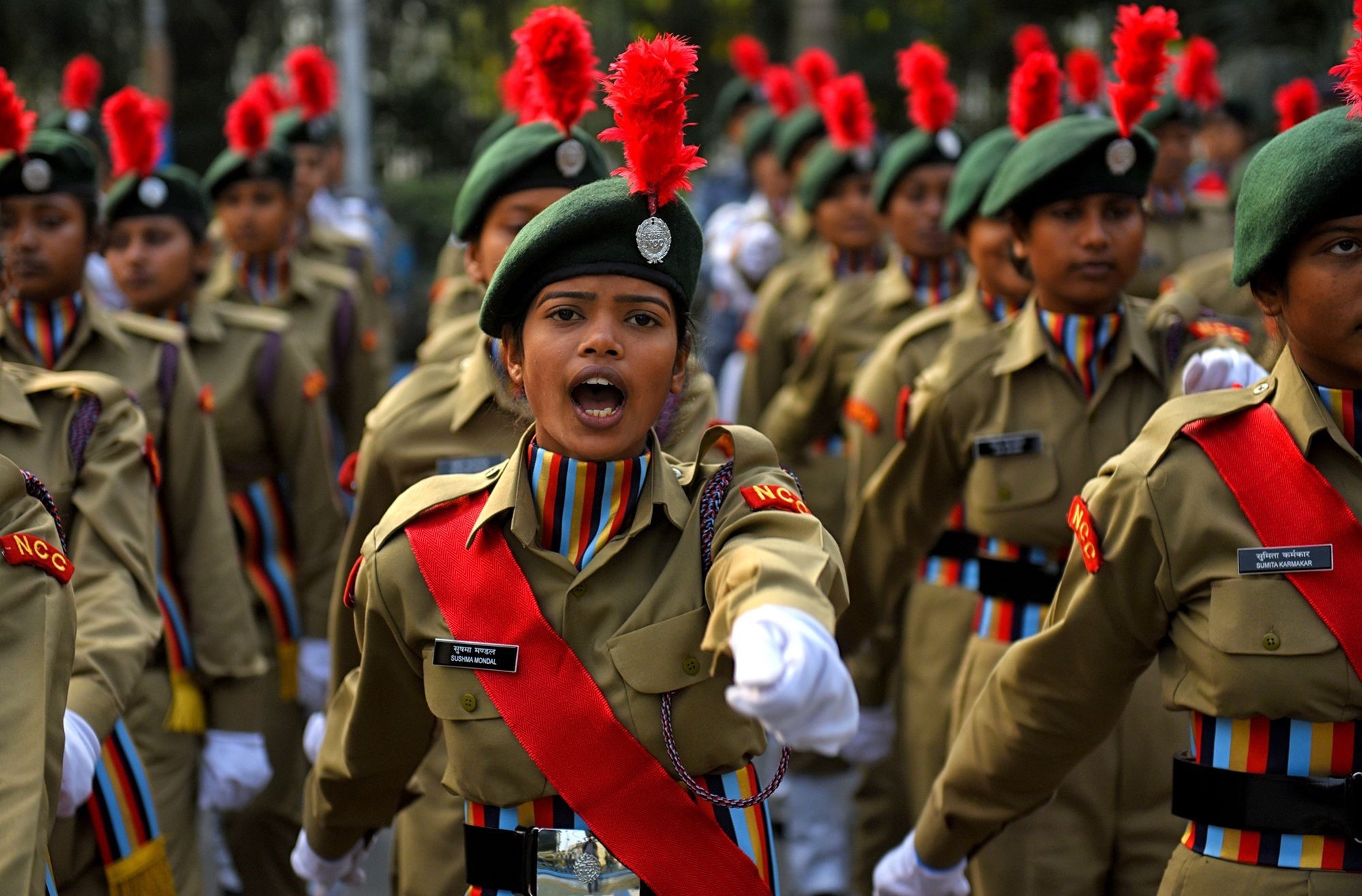
The Kitchener Reforms brought the British Army to a new century. In the 20th century, the Indian Army was a crucial adjunct to the forces of the British Empire in both world wars. 1.3 million Indian soldiers served in World War I (1914–1918) with the Allies, in which 74,187 Indian troops were killed or missing in action. In 1915 there was a mutiny by Indian soldiers in Singapore. The United Kingdom made promises of self-governance to the Indian National Congress in return for its support but reneged on them after the war, following which the Indian Independence movement gained strength.
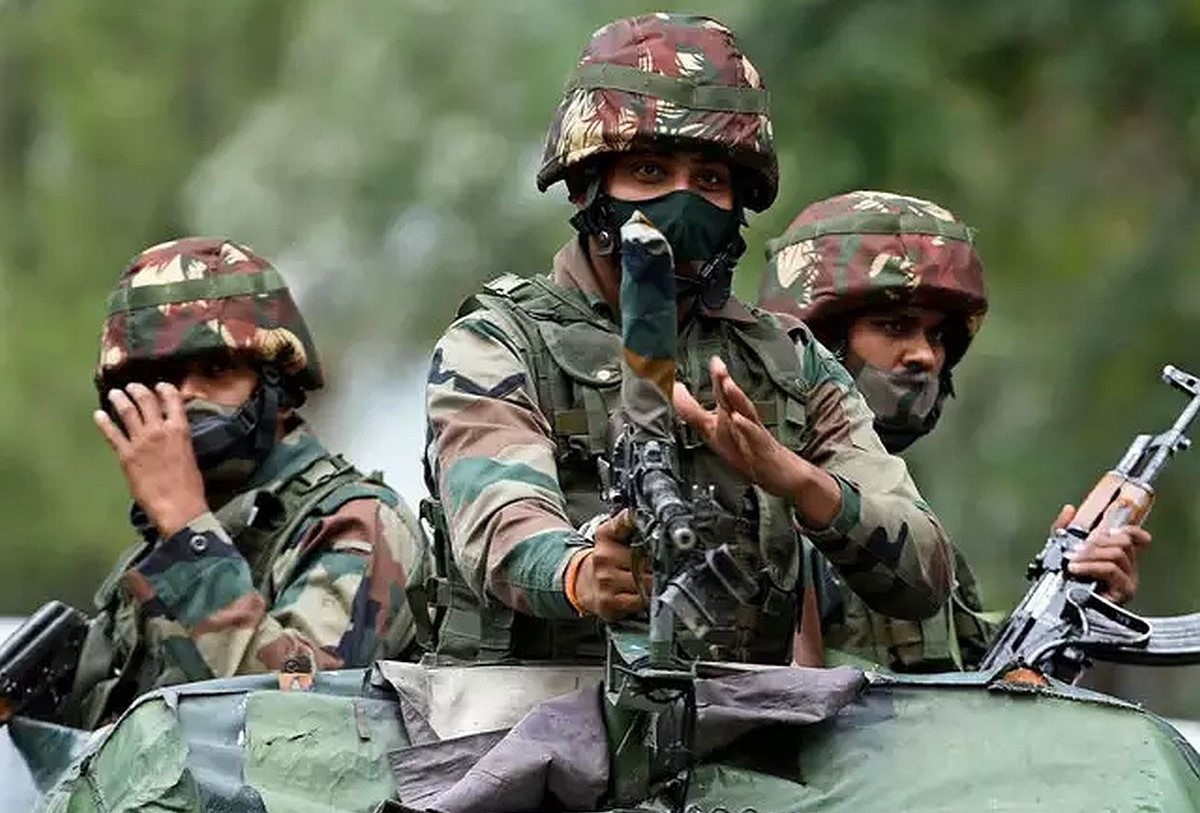
Upon the Partition of India and Indian independence in 1947, four of the ten Gurkha regiments were transferred to the British Army. The rest of the Indian Army was divided between the newly created Union of India and the Dominion of Pakistan. The Punjab Boundary Force, which had been formed to help police Punjab during the partition period, was disbanded.[33] Headquarters Delhi and the East Punjab Command were formed to administer the area. Army Day is celebrated on 15 January every year in India, in recognition of Lieutenant General K. M. Cariappa's taking over as the first "Indian" Chief of the Army Staff and Commander-in-Chief, Indian Army from General Sir Roy Bucher, on 15 January 1949.
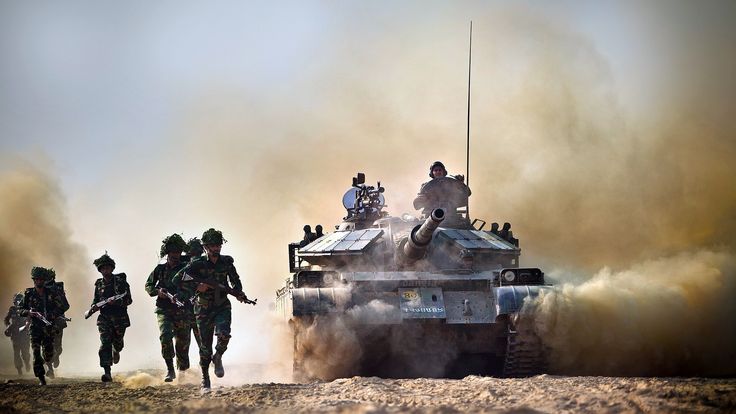
Immediately after independence, tensions between India and Pakistan erupted into the first of three full-scale wars between the two nations over the then princely state of Kashmir. The Maharaja of Kashmir wanted to have a standstill position. Since Kashmir was a Muslim majority state, Pakistan wanted to make Kashmir a Pakistani territory. As a result, Pakistan invaded Kashmir on 22 October 1947, causing Maharaja Hari Singh to look to India, specifically to Lord Mountbatten of Burma, the governor-general, for help. He signed the Instrument of Accession to India on 26 October 1947. Indian troops were airlifted to Srinagar from dawn on 27 October. This contingent included General Thimayya who distinguished himself in the operation and in the years that followed became a Chief of the Indian Army. An intense war was waged across the state and former comrades found themselves fighting each other. Pakistan suffered significant losses. Its forces were stopped on the line formed which is now called the Line of Control (LOC).
The cause of this war was a dispute over the sovereignty of the widely separated Aksai Chin and Arunachal Pradesh border regions. In 1962, the Indian Army was ordered to move to the Thag La ridge, located near the border between Bhutan and Arunachal Pradesh and about 5 kilometres (3 miles) north of the disputed McMahon Line. Meanwhile, Chinese troops had also made incursions into Indian-held territory, and tensions between the two reached a new high when Indian forces discovered the road constructed by China in Aksai Chin. After a series of failed negotiations, the People's Liberation Army attacked Indian Army positions on the Thag La ridge. This move by China caught India by surprise, and on 12 October Nehru gave orders for the Chinese to be expelled from Aksai Chin. However, poor coordination among various divisions of the Indian Army, and the late decision to mobilise the Indian Air Force in vast numbers, gave China a crucial tactical and strategic advantage over India. On 20 October, Chinese soldiers attacked India from both the northwest and northeast; and captured large portions of Aksai Chin and Arunachal Pradesh.
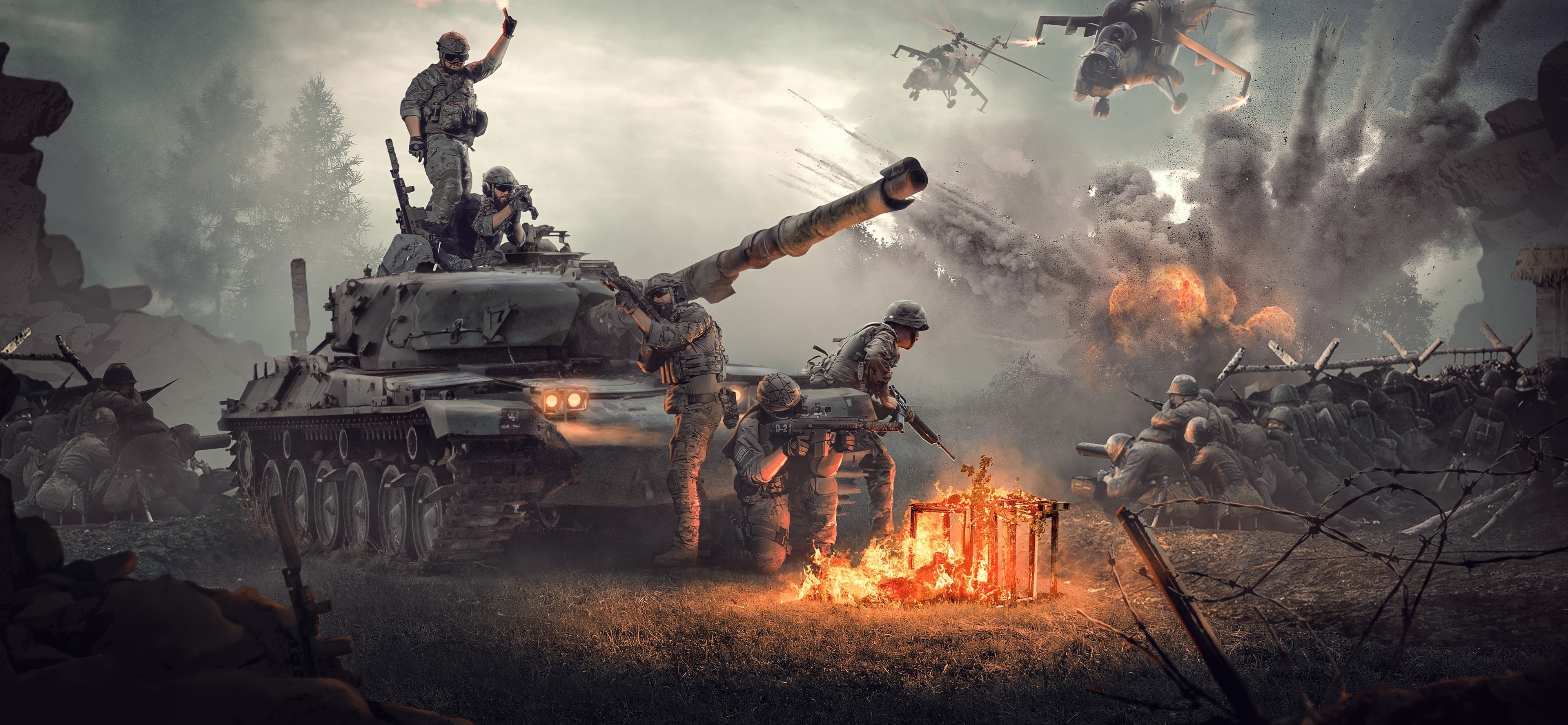
An independence movement broke out in East Pakistan which was crushed by Pakistani forces. Due to large-scale atrocities committed against them, thousands of Bengalis took refuge in neighbouring India causing a major refugee crisis there. In early 1971, India declared its full support for the Bengali freedom fighters, known as Mukti Bahini, and Indian agents were extensively involved in covert operations to aid them.On 20 November 1971, the Indian Army moved 14 Punjab Battalion, of the 45th Cavalry regiment, into Garibpur, a strategically important town in East Pakistan, near India's border, and successfully captured it. The following day, more clashes took place between Indian and Pakistani forces. Wary of India's growing involvement in the Bengali rebellion, the Pakistan Air Force (PAF) launched a preemptive strike on 10 Indian air bases—at Srinagar, Jammu, Pathankot, Amritsar, Agra, Adampur, Jodhpur, Jaisalmer, Uttarlai, and Sirsa—at 17:45 hours on 3 December. However, this aerial offensive failed to accomplish its objectives and gave India an excuse to declare a full-scale war against Pakistan the same day. By midnight, the Indian Army, accompanied by the Indian Air Force, launched a major three-pronged assault into East Pakistan. The Indian Army won several battles on the eastern front including the decisive Battle of Hilli. The operation also included a battalion-level airborne operation on Tangail, which resulted in the capitulation of all resistance within five days. India's massive early gains were attributed largely to the speed and flexibility with which Indian armoured divisions moved across East Pakistan.
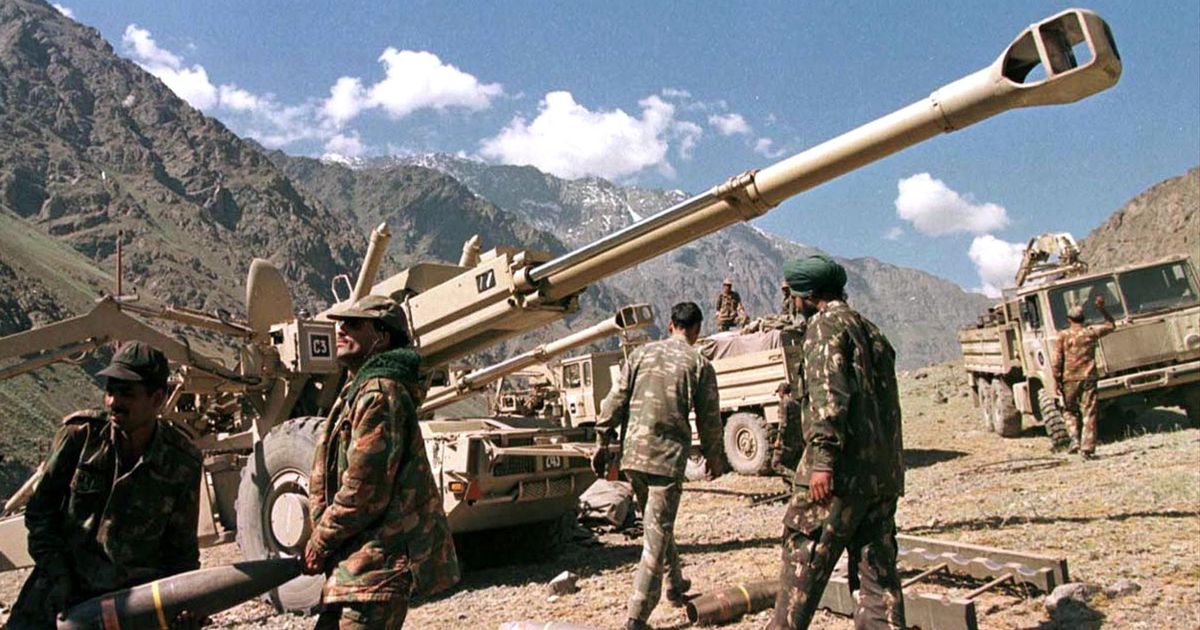
In 1998, India carried out nuclear tests; and a few days later, Pakistan responded with nuclear tests of its own, giving both countries nuclear deterrence capability, although India had tested a hydrogen bomb, which Pakistan lacked. Diplomatic tensions eased after the Lahore Summit was held in 1999. However, the sense of optimism was short-lived. In mid-1999, Pakistani paramilitary forces and Kashmiri insurgents captured the deserted, but strategic, Himalayan heights in the Kargil district of India. These had been vacated by the Indian Army during the onset of the inhospitable winter and were to be reoccupied in spring. The troops that took control of these areas received important support, of both arms and supplies, from Pakistan. Some of the heights under their control, which also included the Tiger Hill, overlooked the vital Srinagar–Leh Highway (NH 1A), Batalik, and Dras.

If anyone has any queries or want me to update please contact me....
Name: Pratyusha Nandy
Email: pratyushanandy1@gmail.com
Ph.No: 7439697919