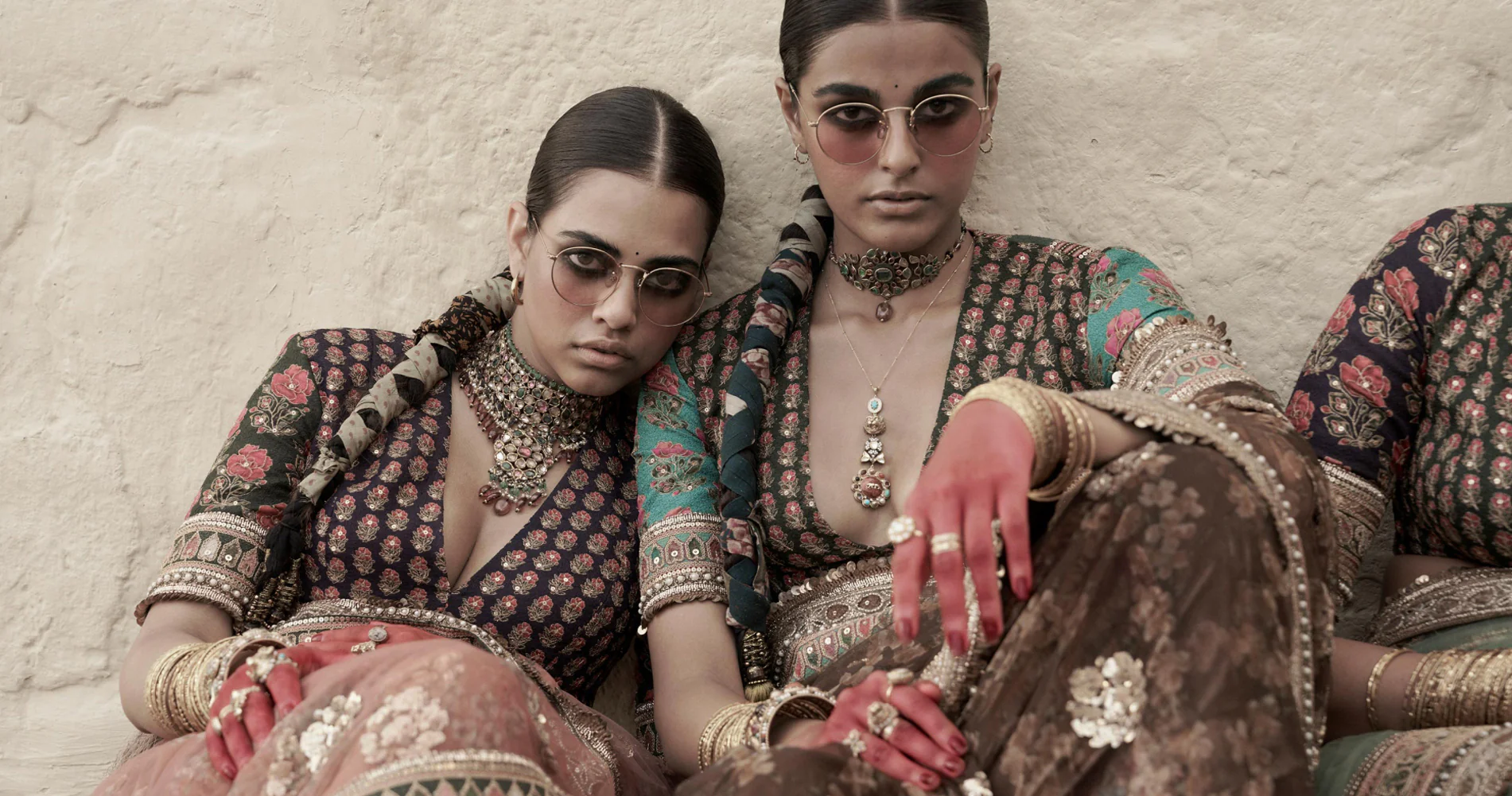
“It was the mid '80s in Calcutta. And I was growing up in the company of strong women.
Artists from the Bengal School of Art and students of literature and politics from Presidency
College. Heated debates at Coffee House. Tagore and Woolf, Sher-Gil and Kahlo. Strong-willed and culture proud.
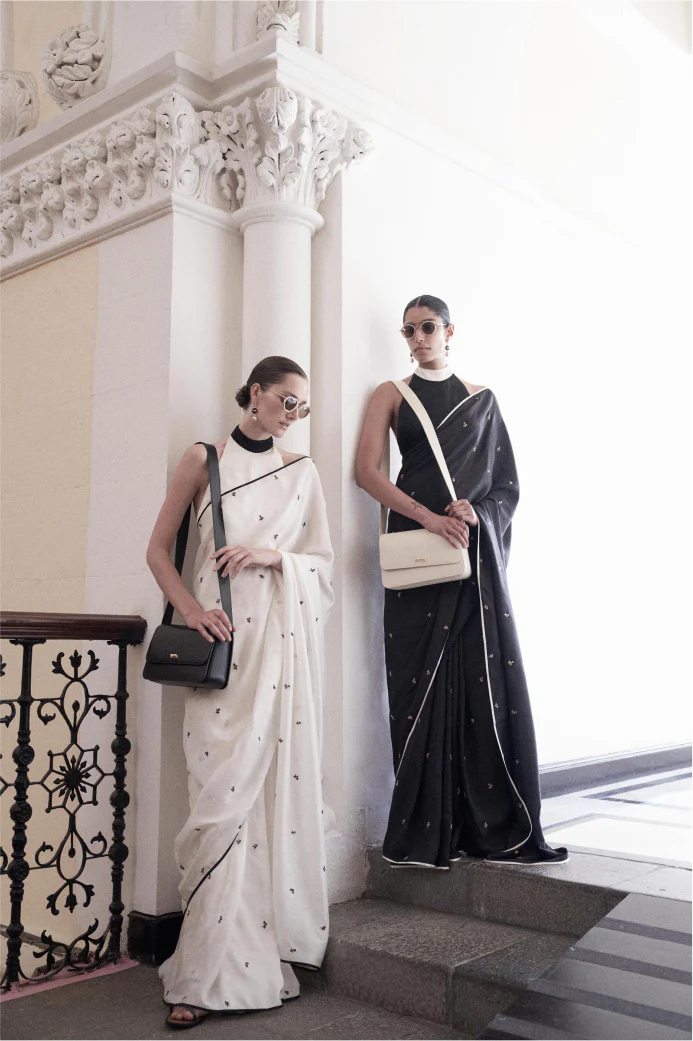
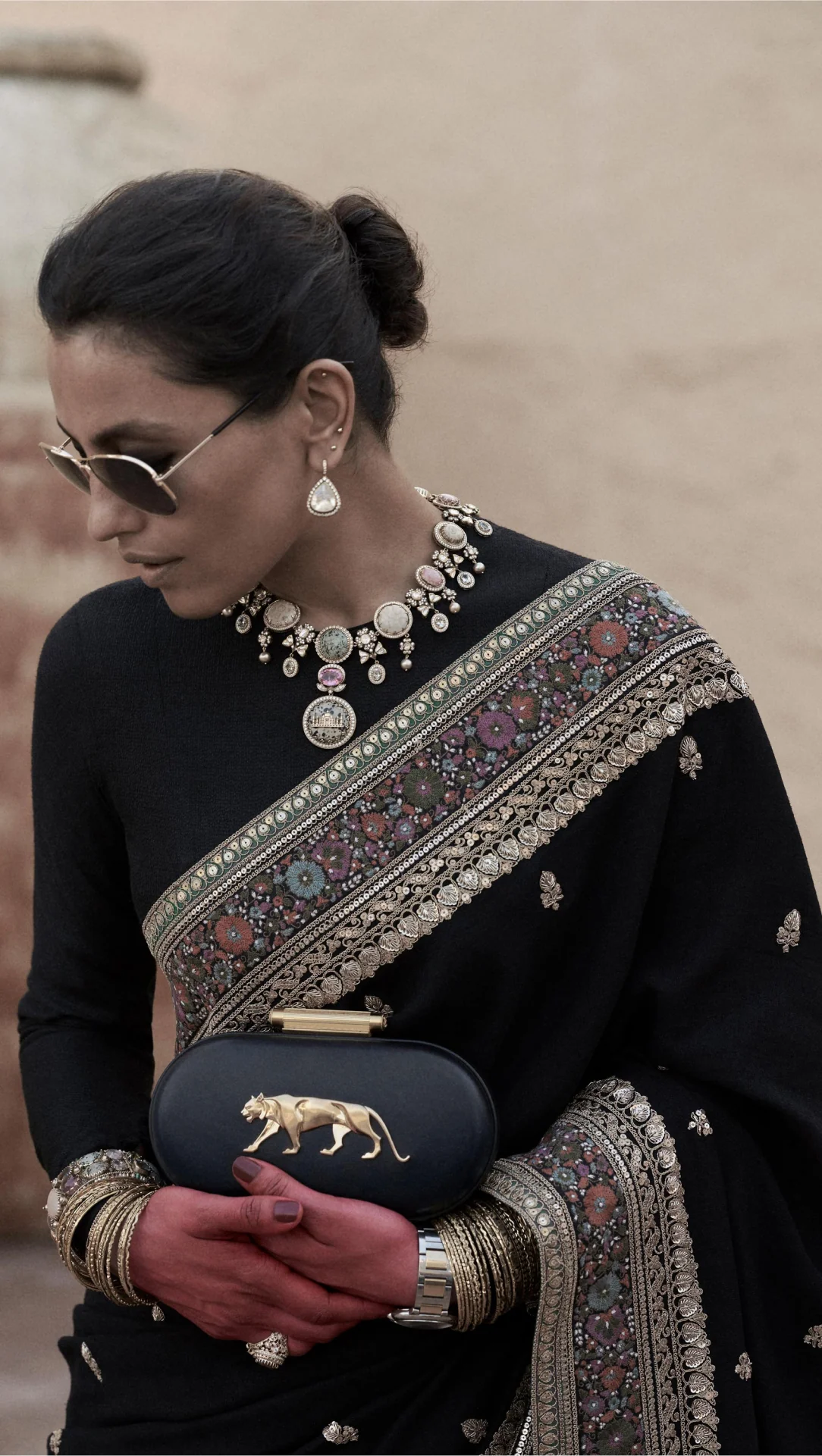
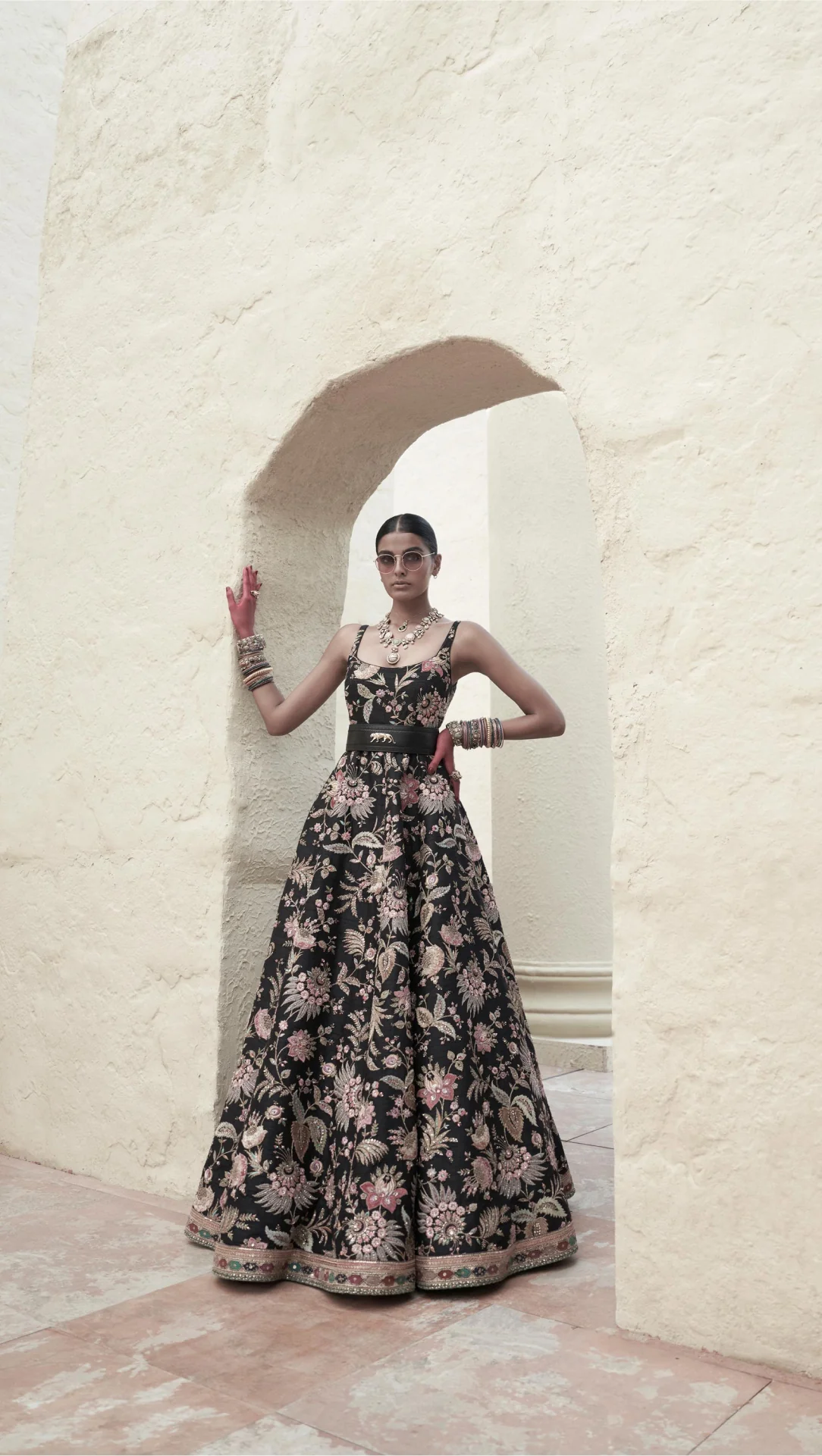
They wore their tradition with a severe modernity. Decorative but pragmatic.”

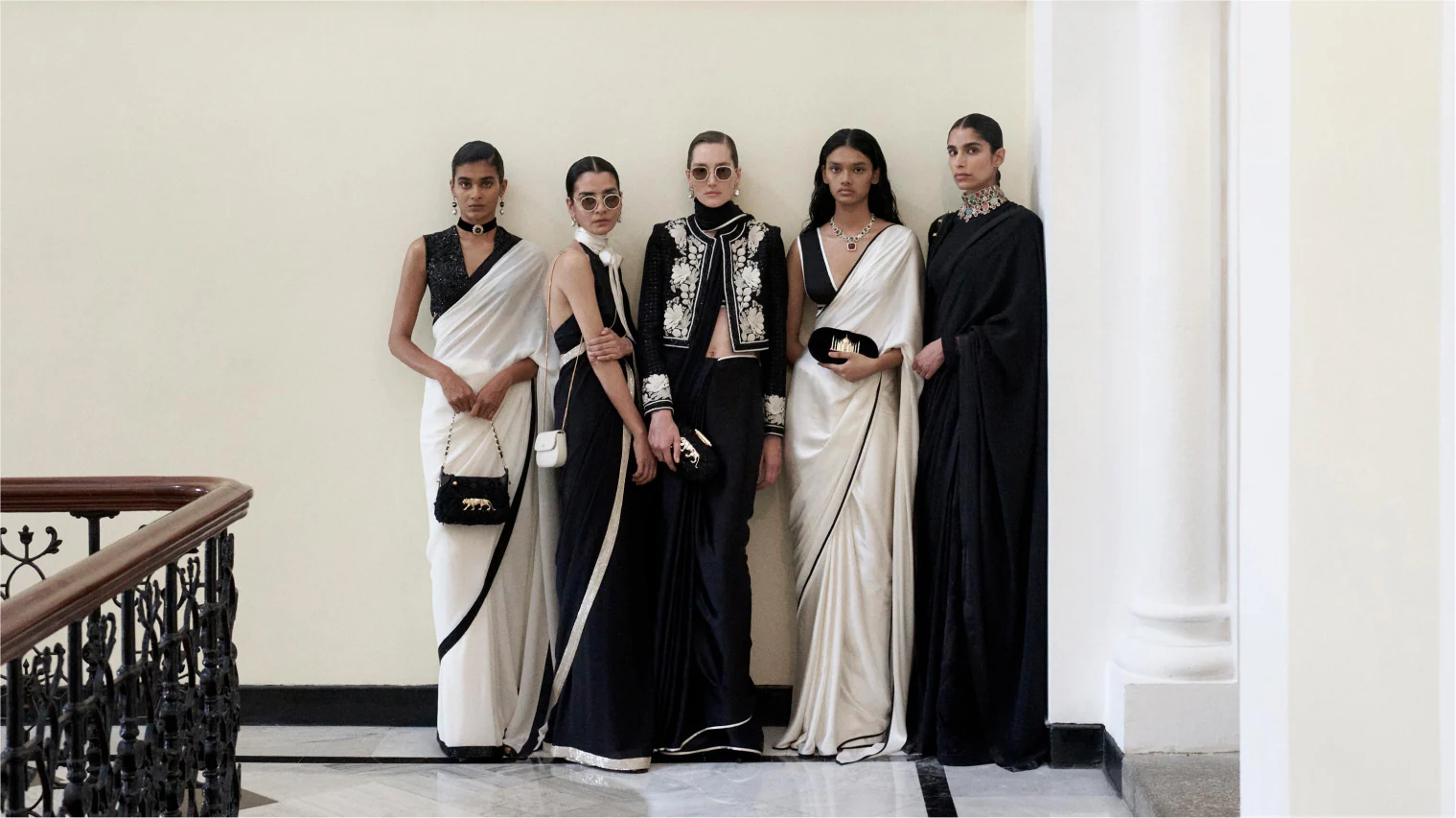
“Modernity is so much more than the clothes you wear. Fashion should acknowledge that.”
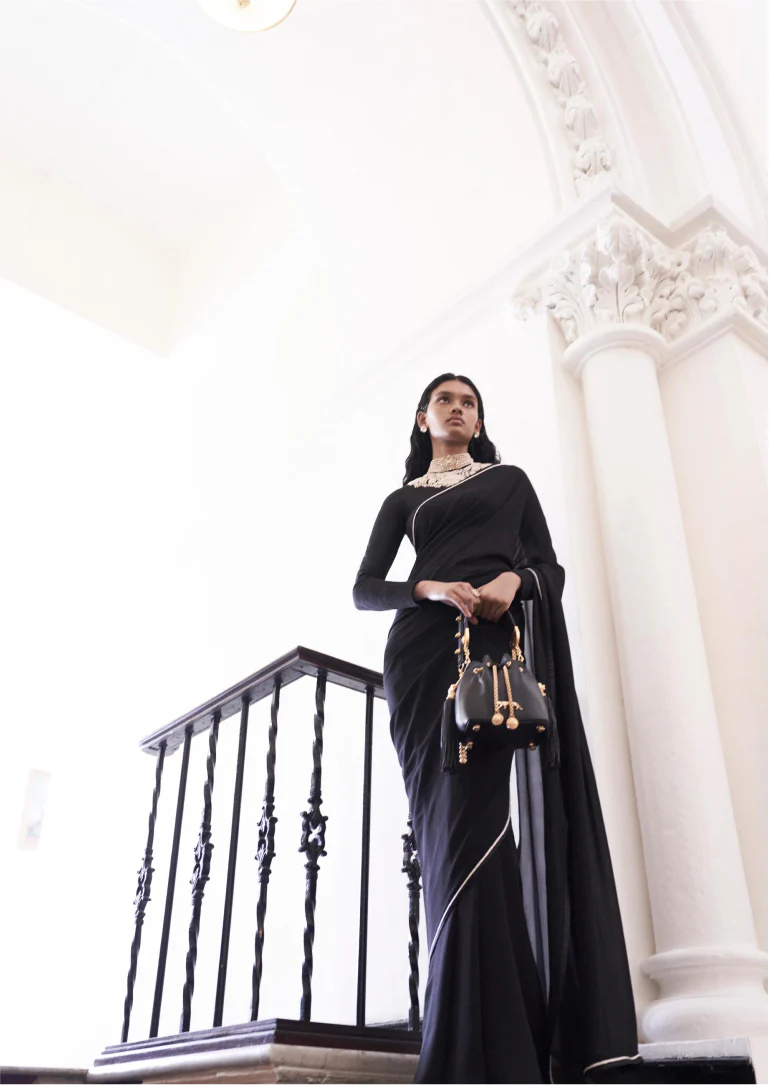
An austere white muslin sari, Jabakusum hair oil on severely centre-parted hair and the faint smell of Boroline. My paternal grandmother or thakuma, did not go to school. She taught herself and was a parent to four children. I never met my grandfather and my father never spoke about him.
Her days started with ten surya namaskars and ended with evening prayers and a recitation of the Bhagavad Gita. She took cold water baths, cooked her food on a charcoal stove, voraciously read and re-read Desh Magazine (a Bengali literary fortnightly), and filled her humble home with frankincense and camphor smoke. I lived with her for about eight years. We talked about religion, folktales, history, food, music, sports, politics and even sex.
When I look back, it amazes me how a woman who lived a seemingly secluded life in a tiny apartment away from almost everyone and everything, was so profound and wise about the ways of the world. She single-handedly shaped my belief system and taught me the importance of self. Glimpses of her emerge in everything I do.
We were from a family of educationists and doctors, and I had a tough time convincing my parents to let me study design. But my thakuma remained my voice of reason, she would tell them, “Let a child be happy and the child will succeed.”
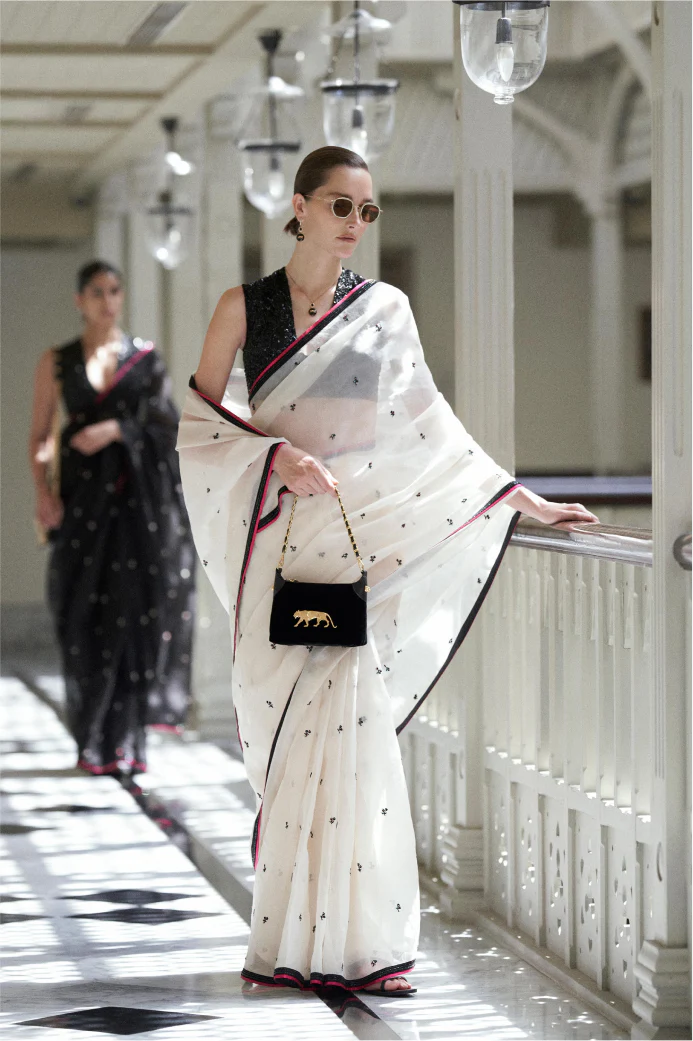
My maternal grandmother or dida was exuberant, emotional and excessive. She loved and lived the good life with an almost reckless abandon. A hedonist but with a childlike glee. Her husband, my grandfather was a rich man, who owned multiple rice mills and was drawn to her passion. She was the love of his life.
He showered her with love and indulged her with all the material luxuries that his money could buy. Though she enjoyed all the worldly comforts possible, she was more of a giver. Neighbours, stray dogs, her children and grandchildren, she had many beneficiaries. When she was happy, she was ecstatic and would enthral us with stories of her many travels as she made her paan, a long and elaborate ritual. When she watched a sad movie, she would get upset and refuse to eat.
We spent the sweltering summer holidays with her, and I remember her dipping into her khadi batua lined with a pomegranate pink velvet to treat us to generous doses of ice-lollies, turmeric laced popcorn and matinee movies at the cinema. My favourite memory of her though, would be lazy afternoons with all of us piled onto her four-poster bed as I begged her to tell me stories of her Indian Silk House Benarasis, her old Hamilton jewellery and Yardley perfumes.
Towards the end of her life, she had no money of her own. But every time she would visit, she would dip into her magic bag and give us something. The last gift I got from her was a packet of Parle-G biscuits. No wonder we all lovingly called her 'Sona dida', nani with the heart of gold.
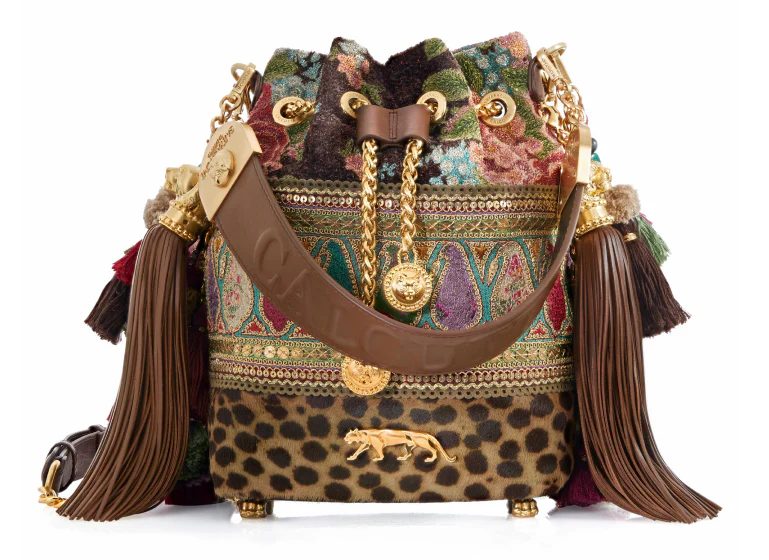

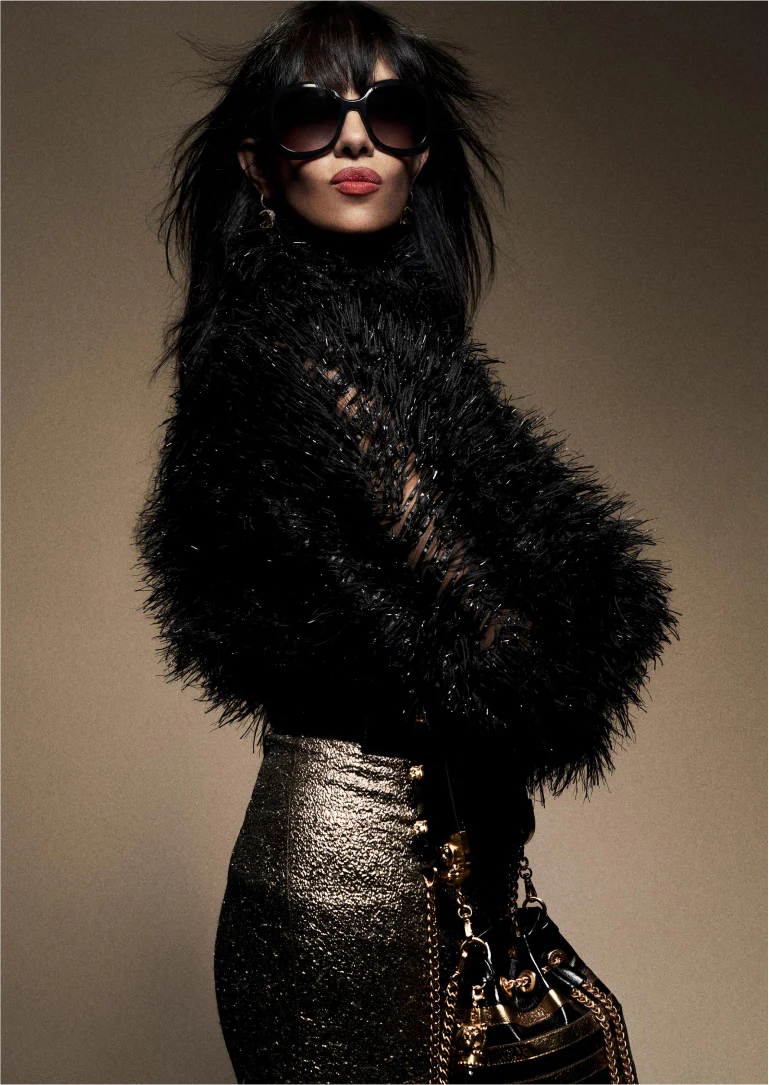
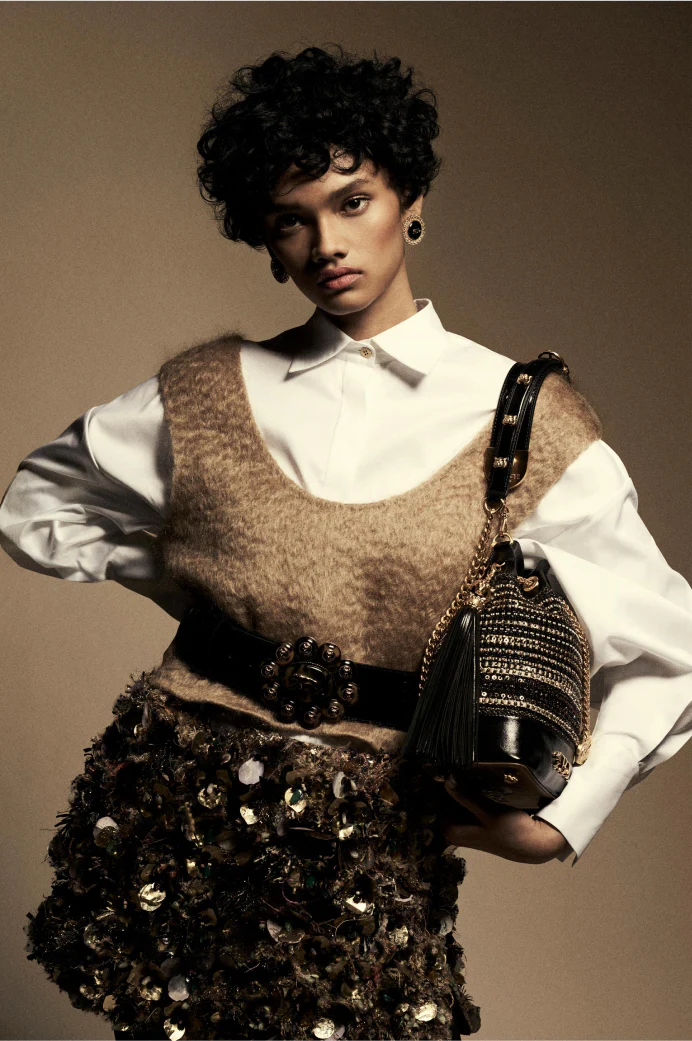
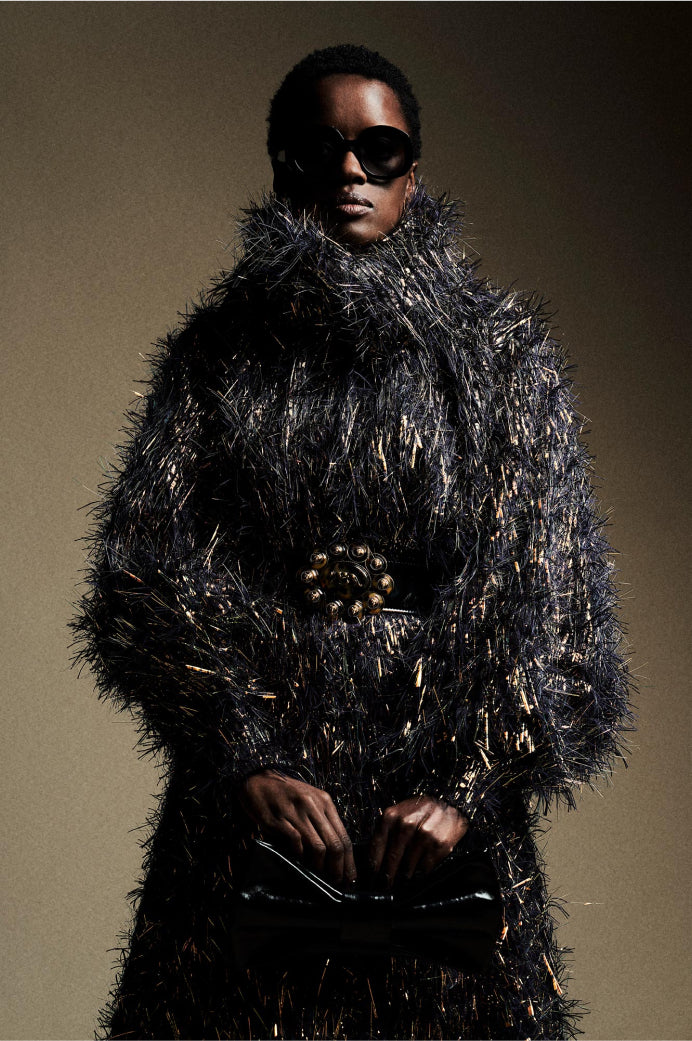
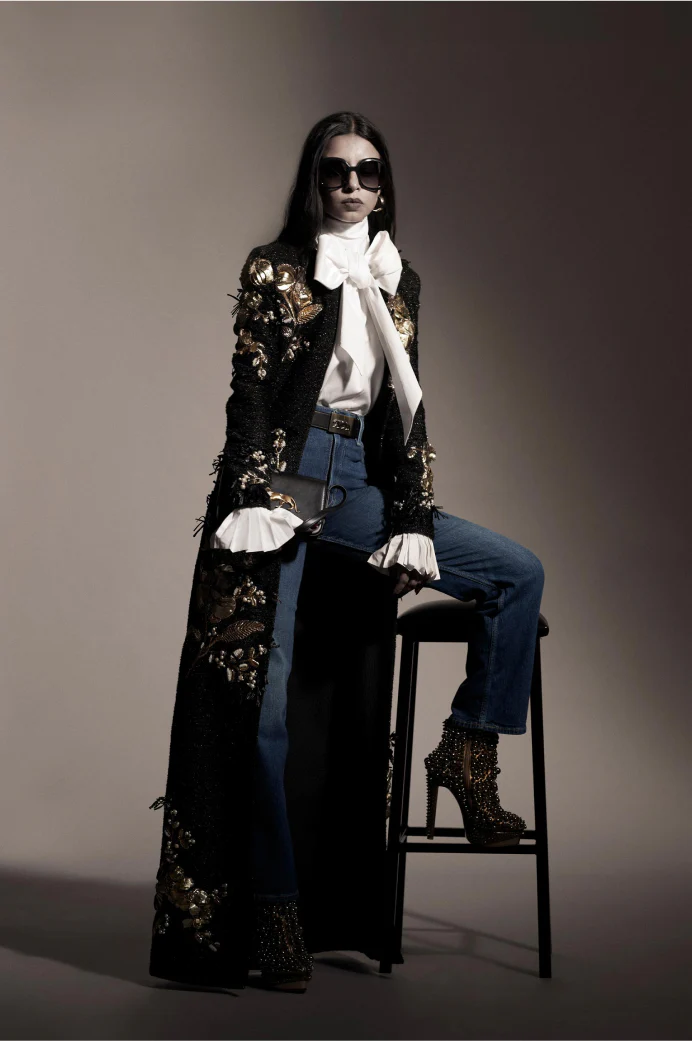
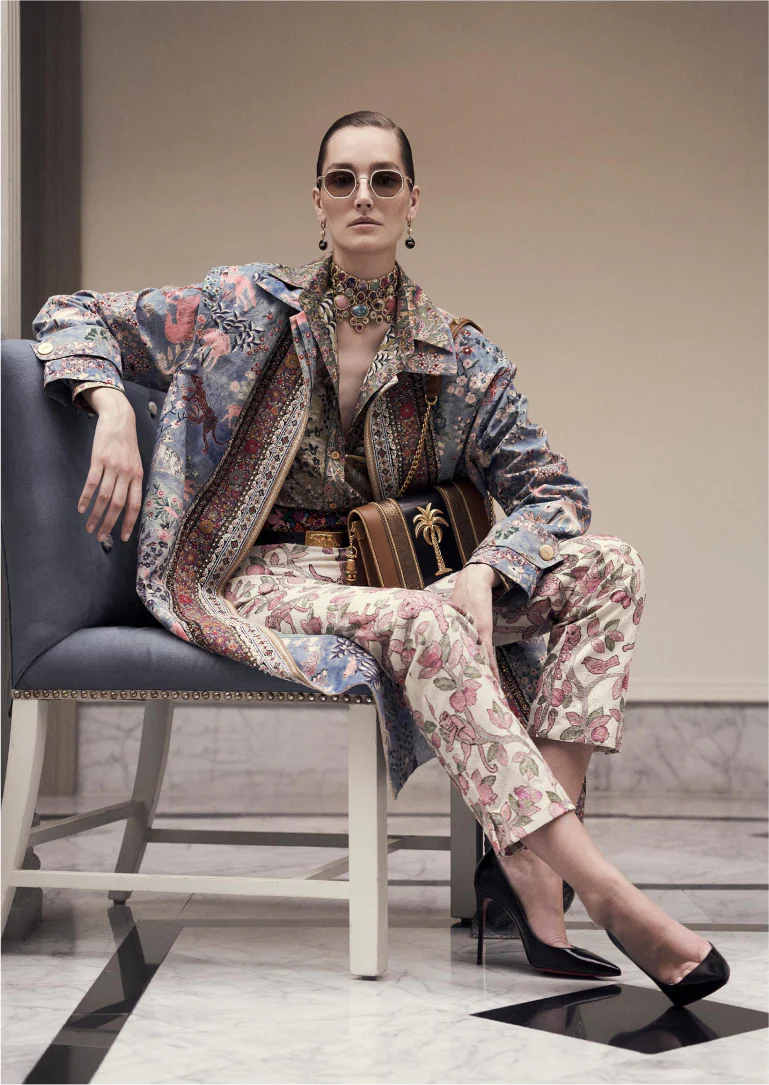
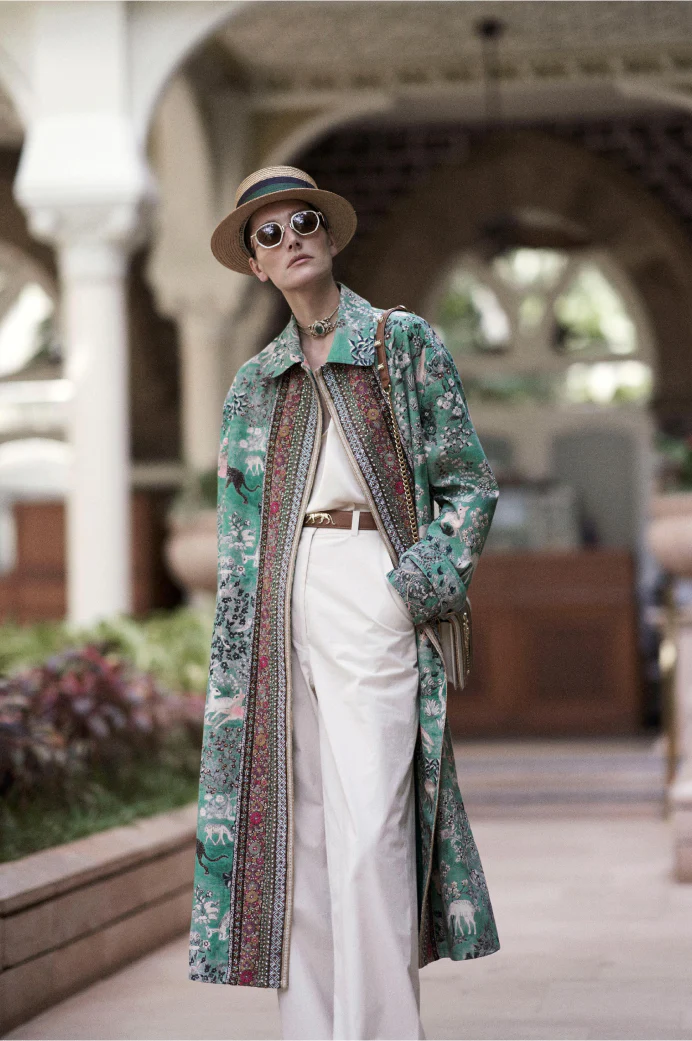

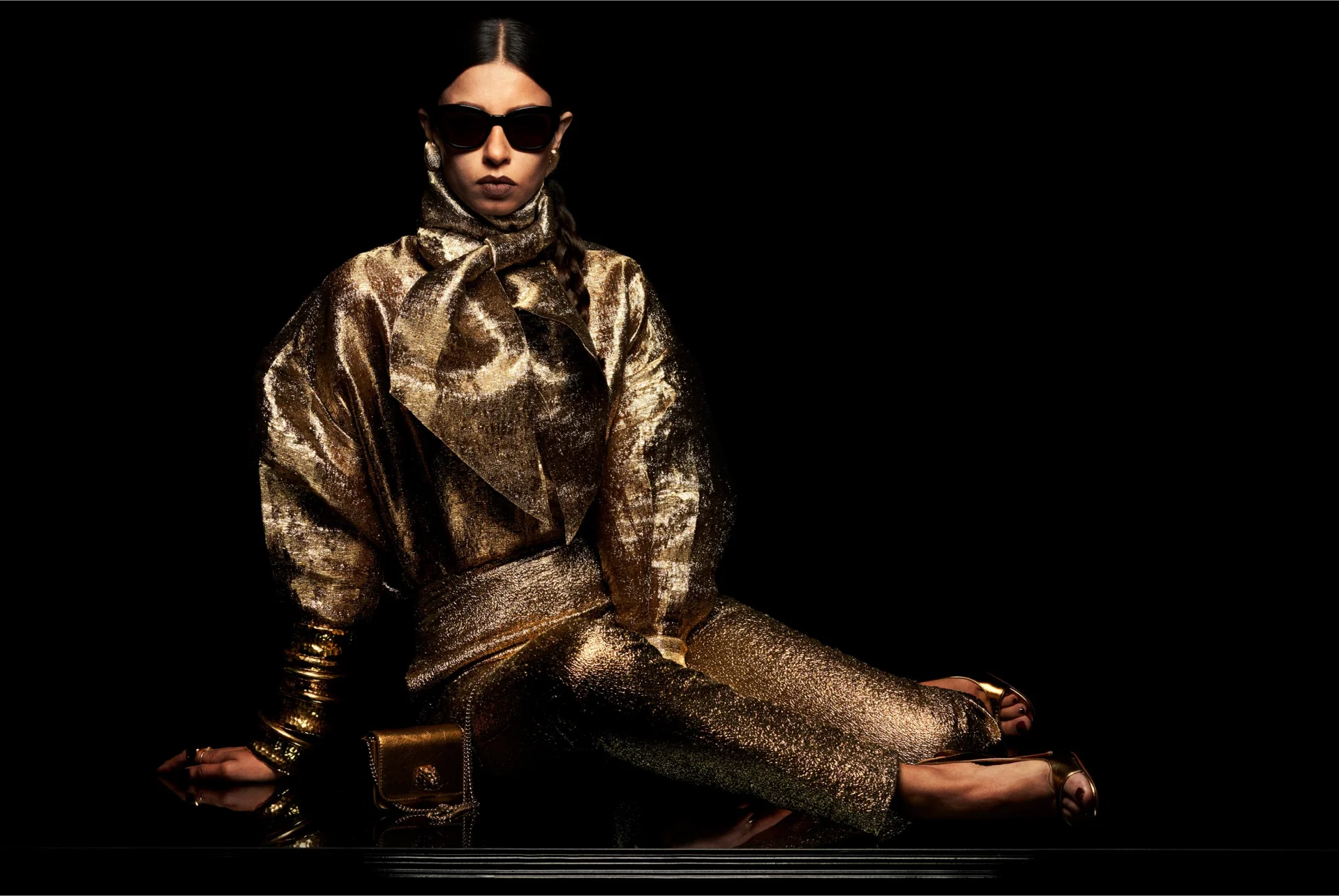
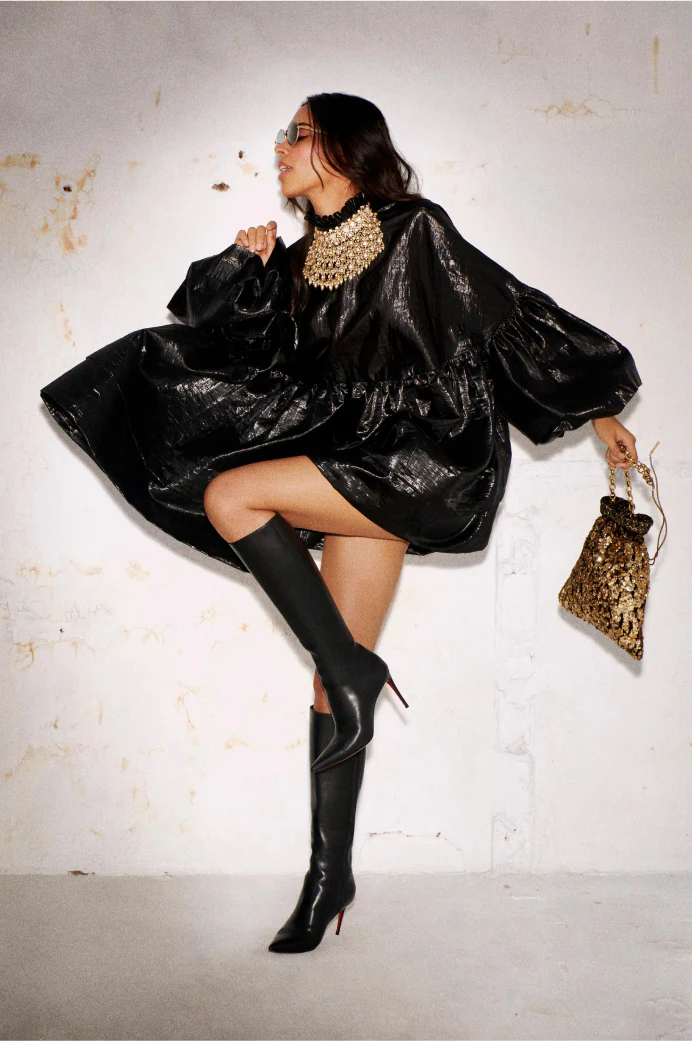

“The glamour of Calcutta. I can't put a finger on it… it's almost sexual and slightly dark. It
comes from the very private chambers of the mind.”

WORLD OF SABYASACHI
History Collaborations The Sabyasachi Art Foundation Social Initiatives Craft Preservation Art of RetailCOORPORATE
Privacy Policy Terms of Use