Kolkata is also noted for its revolutionary history,
ranging from the Indian to the leftist Naxalite
and trade-union movements. Labelled the "Cultural Capital of India", "The City of Processions",
"The
City of Palaces", and the "City of Joy", Kolkata has also been home to prominent statesman and
yogis. Problems related to rapid urbanization started to plague Kolkata from the 1930s and the
city
remains an example of the urbanization challenges of the developing nations.
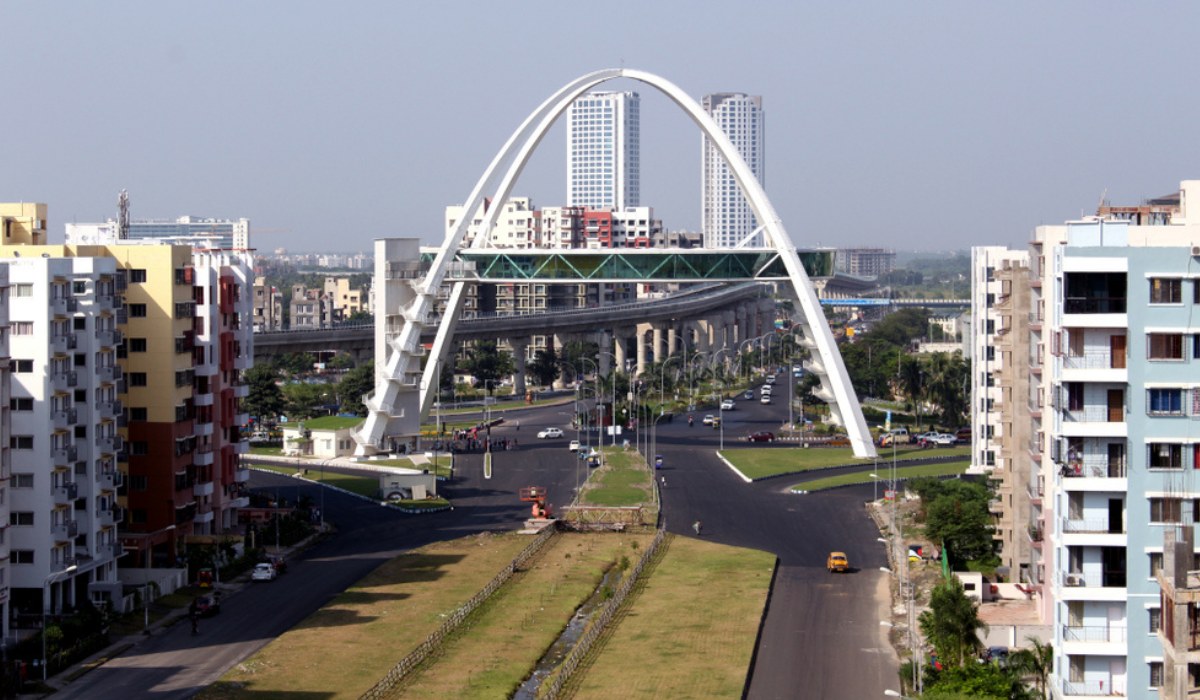
New Kolkata
Kolkata grew rapidly in the 19th century to become the
second most important city of the British
Empire after London and was declared as the financial (commercial) capital of the British India.
This was accompanied by the development of a culture that fused Indian philosophies with
European
tradition.
Kolkata is also noted for its revolutionary history, ranging from the Indian to the leftist
Naxalite
and trade-union movements. Labelled the "Cultural Capital of India", "The.
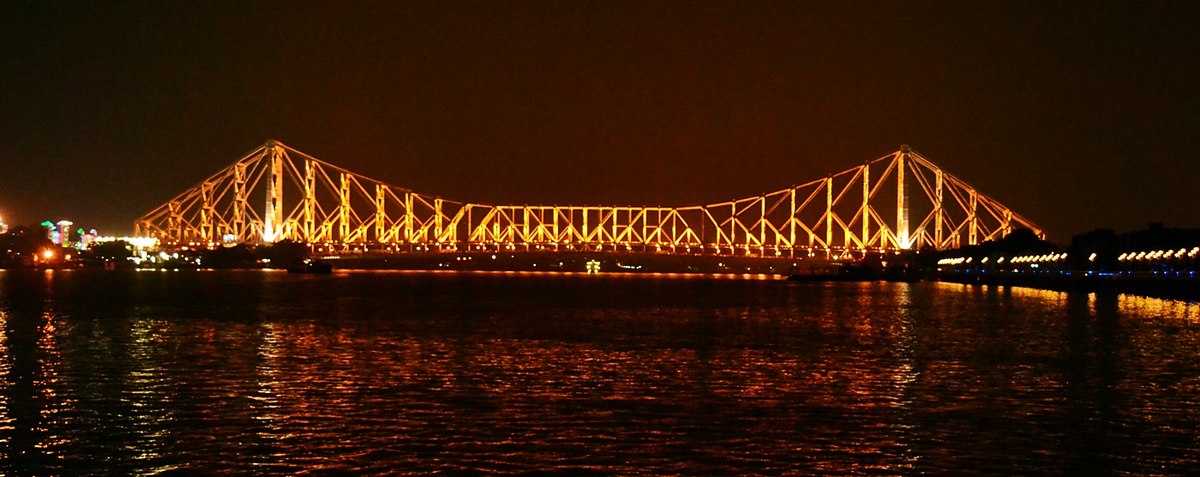
old Howrah bridge
commissioned in 1943,[9][11] the bridge was originally
named the New Howrah Bridge, because it replaced a pontoon bridge at the same location linking
the cities of Howrah and Kolkata (Calcutta). On 14 June 1965, it was renamed Rabindra Setu after
the great Bengali poet Rabindranath Tagore, who was the first Indian and Asian Nobel
laureate.[11] It is still popularly known as the Howrah Bridge.
The bridge is one of four on the Hooghly River and is a famous symbol of Kolkata and West
Bengal.
New Howrah bridge
in view of the increasing traffic across the Hooghly river, a committee was appointed in 1855–56
to review alternatives for constructing a bridge across it.[17] The plan was shelved in 1859–60,
to be revived in 1868, when it was decided that a bridge should be constructed and a newly
appointed trust vested to manage it. The Calcutta Port Trust was founded in 1870,[9] and the
Legislative department of the then Government of Bengal passed the Howrah Bridge Act in the year
The Howrah Bridge Act of 1871
From 19 August 1879, the bridge was illuminated by electric.
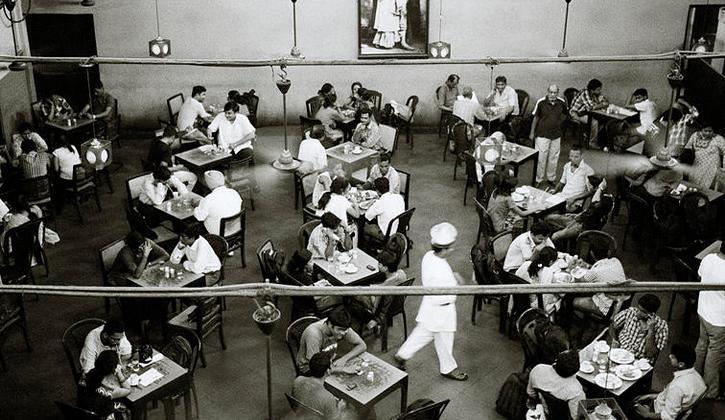
old Kolkata coffee House
The history of the Coffee House at College Street can
be traced to Albert Hall,[1] which was founded in April 1876.[2] This Albert Hall was the
primary residence of Ramkamal Sen, Treasurer of the Bank of Bengal and Secretary of the Asiatic
Society, Calcutta, in the early 19th century.
Later, the Coffee Board decided to start a coffee joint from the Albert Hall in 1942. Notable
citizens were frequent visitors to the place. In 1947, the Central Government changed the name
of the place to "Coffee House".[3] The place became a meeting place for the poets, artistes,
literati and people from the world of art and culture. In 1958, the management decided to shut
down the Coffee House, but it was
New Kolkata coffee House
The prestige of the Coffee House increased with regular visitors such as Satyajit Ray, Amartya
Sen, Mrinal Sen and Aparna Sen. The Coffee House is of historical significance for being the
rendezvous of innumerable versatile people, from its inception to date. Scholars, editors,
artists and writers like Ritwik Ghatak, Narayan Gangopadhyay, Sunil Gangopadhyay, Sanjeev
Chattopadhyay, Samaresh Majumdar, Subhas Mukhopadhyay, Shakti Chattopadhyay, Craig Jamieson,
Sukhamoy Chakraborty, Tapan Raychaudhuri, Barun De and Sumit Sarkar Shaiq Ahmed, Asif Shamim,
Kavya Srivastava, Ayaan Tauquir. have been just a few among the patrons of the restaurant. In
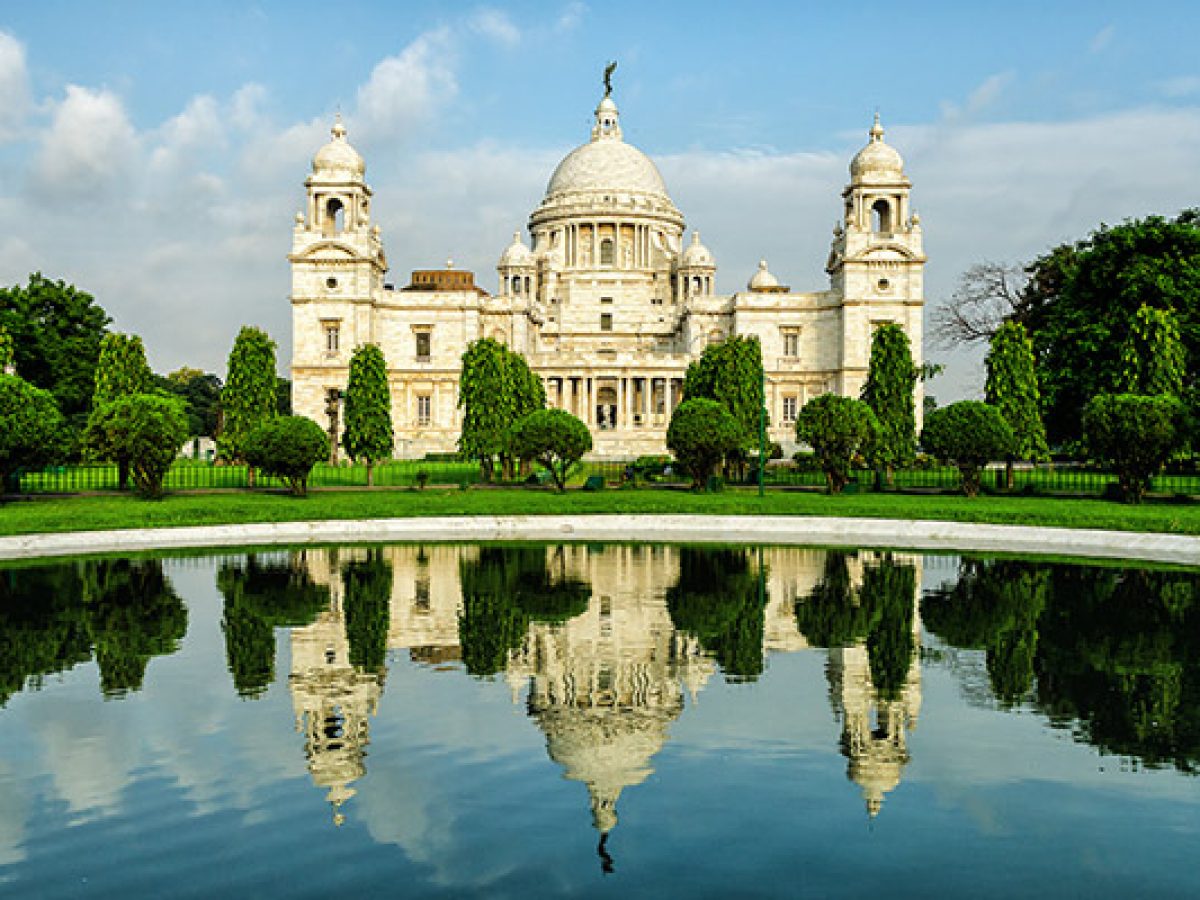 Kolkata