FACTS

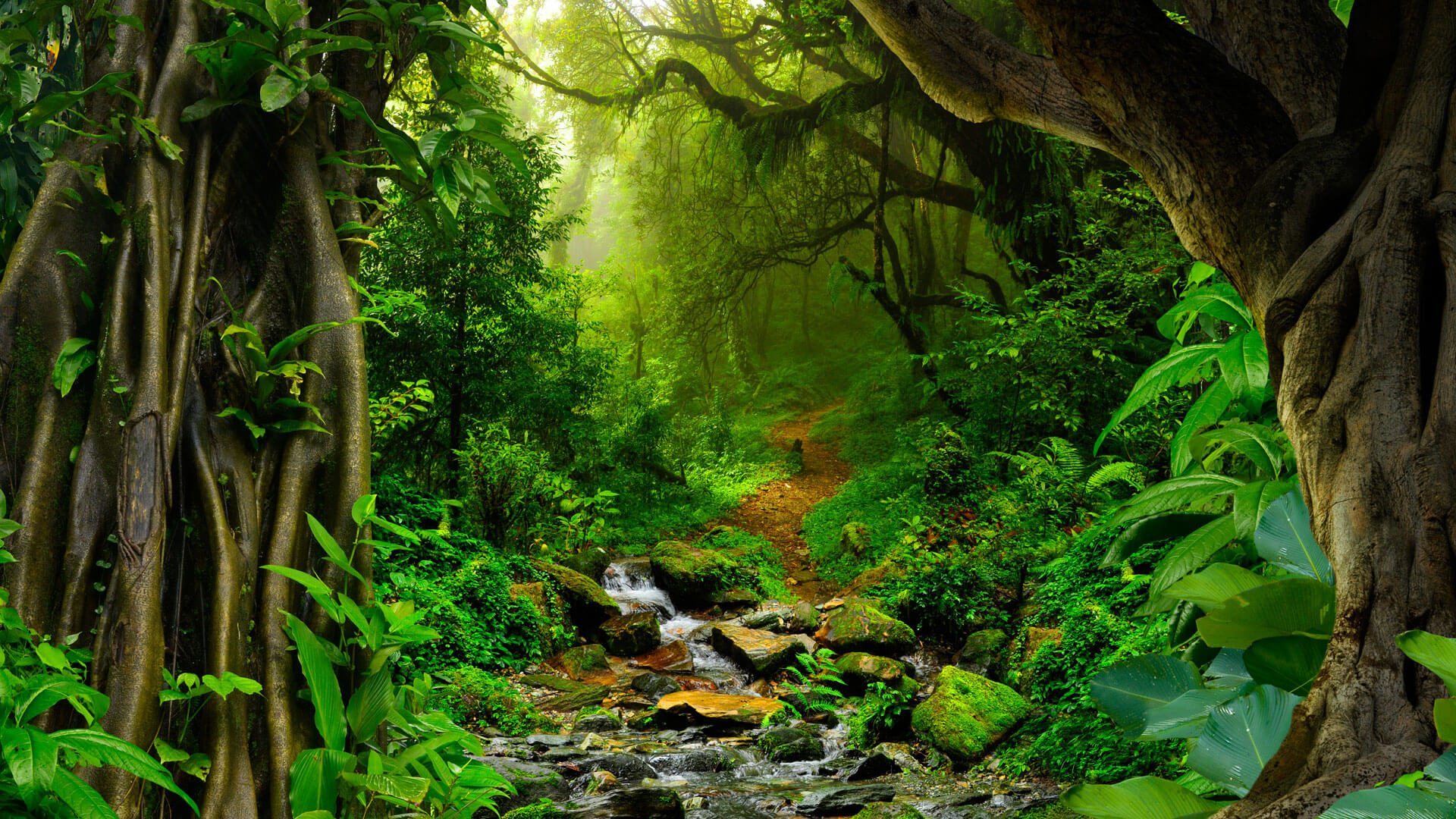
The Amazon is a vast biome that spans eight rapidly developing countries—Brazil, Bolivia, Peru, Ecuador, Colombia, Venezuela, Guyana, and Suriname—and French Guiana, an overseas territory of France.

The landscape contains

  • about one in 10 known species on Earth
  • 1.4 billion acres of dense forests
  • 20% of the world’s liquid freshwater
  • 2.7 million square miles in the Amazon basin, about 40% of South America

There is a clear link between the health of the Amazon and the health of the planet. The rain forests, which contain an estimated 150–200 billion tons of carbon, help stabilize the local and global climate. Deforestation releases significant amounts of this carbon, which is having negative consequences around the world.

Species

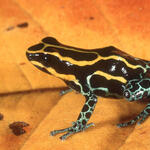
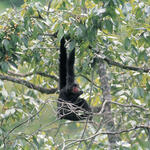
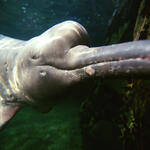
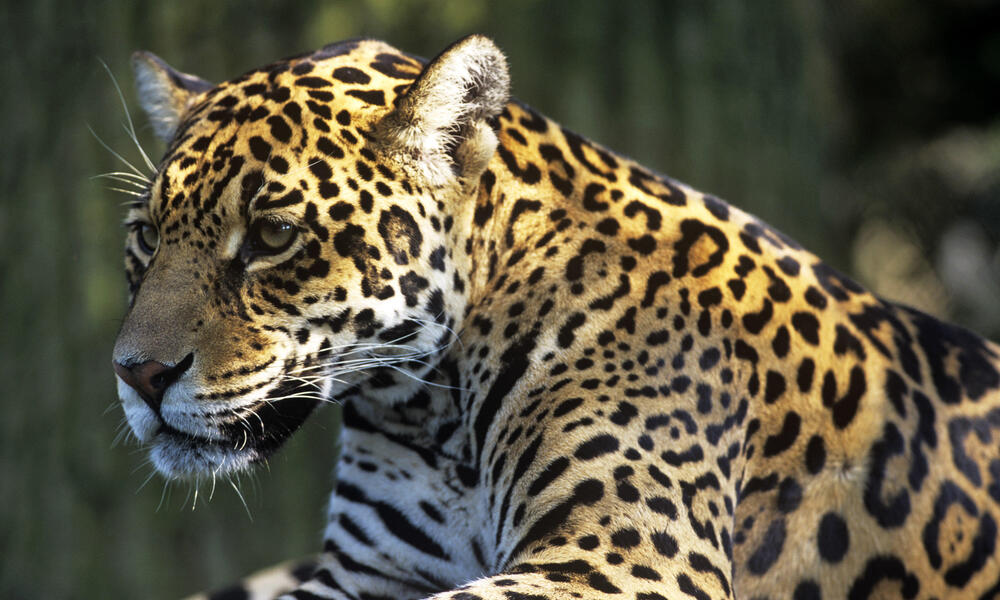
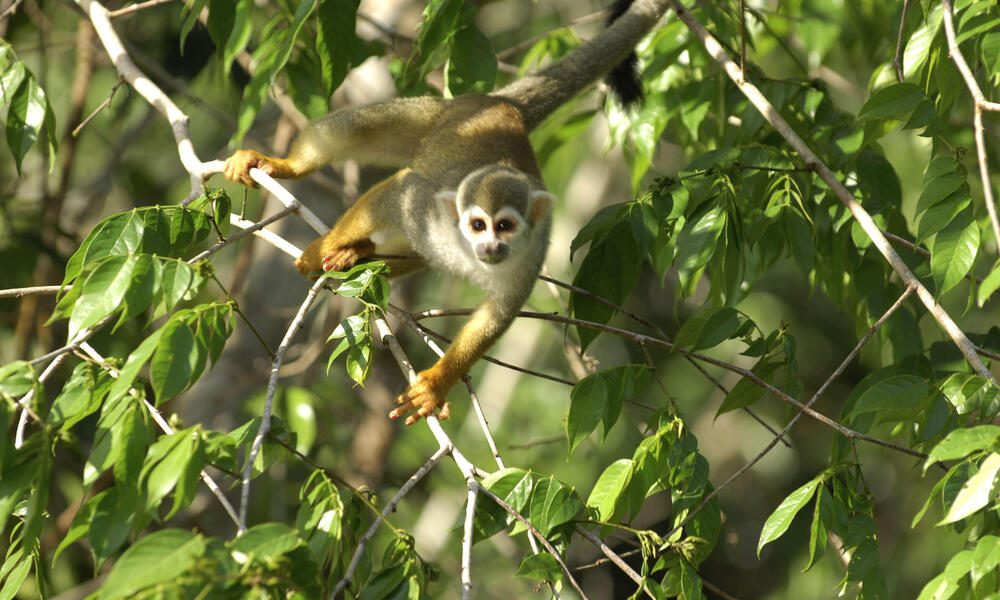
The Amazon contains millions of species, most of them still undescribed, and some of the world’s most unusual wildlife. It is one of Earth’s last refuges for jaguars, harpy eagles, and pink river dolphins, and home to thousands of birds and butterflies. Tree-dwelling species include southern two-toed sloths, pygmy marmosets, saddleback and emperor tamarins, and Goeldi’s monkeys. The diversity of the region is staggering.

To protect these species, WWF works with local communities, partner nongovernmental organizations, corporations, and governments to ensure that deforestation and degradation of rivers are alleviated.

pic10

Macaw

pic10

Jaguar

pic10

dart frog

pic10

Black SpidernMonkey

pic10

River Dolphin

pic10

Jorge Salas

People & Communities

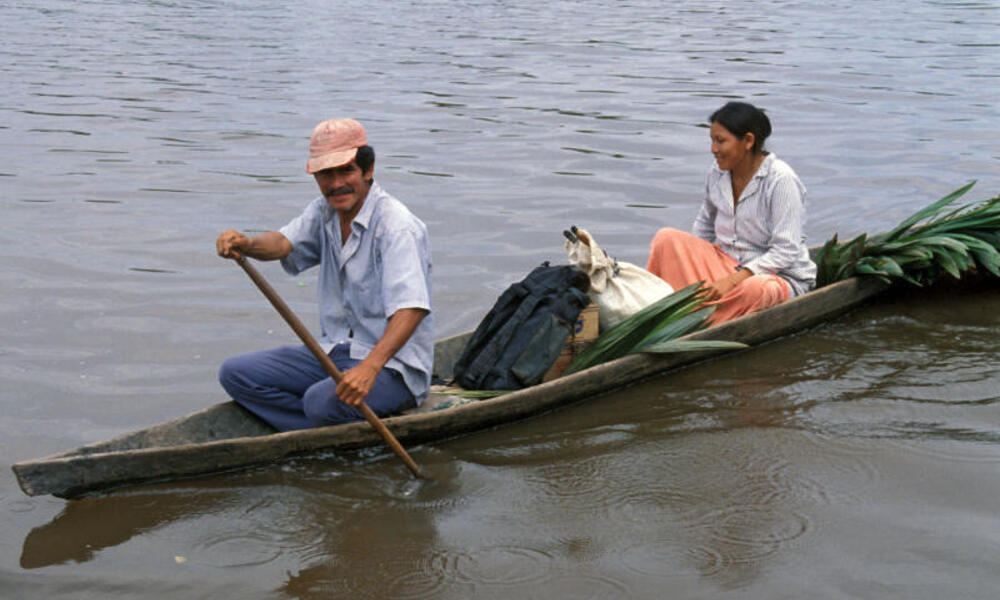
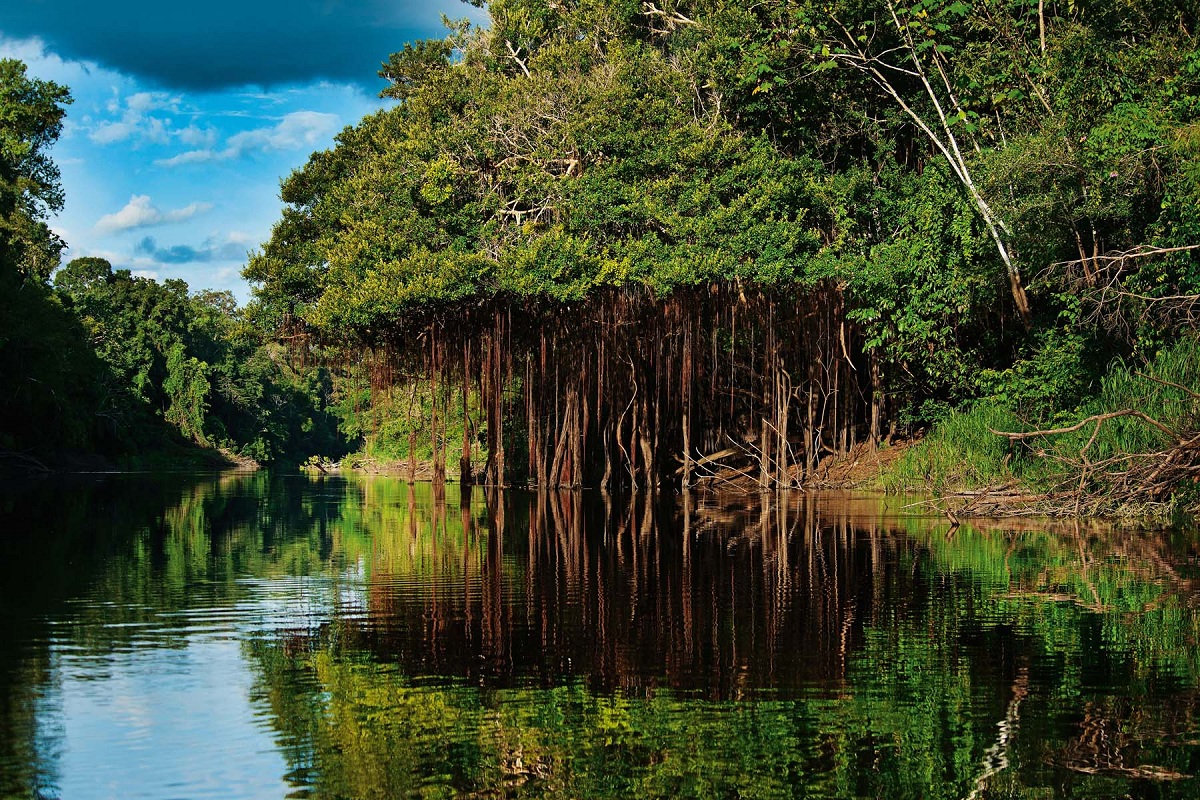
More than 40 million people, including over 400 Indigenous and ethnic groups, live in the Amazon and depend on nature for agriculture, clothing, and traditional medicines. Most live in large urban centers, but all residents rely on the Amazon’s natural bounty for food, shelter, and livelihoods. People also use the region’s waterways for transport, much like those in the Peruvian Amazon pictured above.

Threats

Poorly Planned Infrastructure

Transportation and energy infrastructure are essential for national and regional development, but when they are poorly planned, negative impacts can exceed short-term benefits. For example, building new roads exposes previously inaccessible areas of forest to illegal and unsustainable logging as well as illegal or unplanned settlements and agricultural expansion.

Hydropower is now used to meet the region's growing demand for energy, but many dams are being constructed in areas of high conservation value. The dams:

  • disrupt river connectivity
  • block the range of many aquatic species, including migratory fish and river dolphins
  • interfere with some subsistence and commercial fisheries

To minimize the impacts of hydropower, WWF is promoting scenario planning that explores alternative energy options and promotes transboundary cooperation for river basin management. WWF has also mapped out freshwater connectivity corridors across the basin. This work has allowed us to pinpoint stretches of river that are most critical for connectivity to be maintained for the future health of the Amazon basin, its communities, and flagship freshwater species.

Illegal and Unsustainable Natural Resource Extraction

There is high demand for the natural resources found in the Amazon but weak law enforcement to safeguard them. In addition, inefficient extraction processes lead to the destruction of nature and wildlife. For example, mining activities contribute to soil erosion and water contamination. Mercury contamination of Amazonian waters from artisanal mining is of particular concern given the consequential impacts on human health and contamination of the food chain for fish and wildlife.

WWF works to promote best practices and decrease environmental damage from:

  • illegal logging
  • overharvesting of fish and other aquatic species
  • oil exploration
  • gold mining

Climate Change

The Amazon is critical to our efforts to avoid a climate catastrophe. Water vapor released from the Amazon creates vast “flying rivers” in the atmosphere, which influence rainfall and thus agricultural production in central and southern South America. And the billions of tons of carbon stored in the Amazon rain forest is of global importance to slowing climate change.

What WWF Is Doing

Protecting and conserving the Amazon, a place two-thirds the size of the United States, is a big job. WWF has been working in the Amazon since the 1970s and is at the forefront of efforts to protect the people, forests, and species that call it home. We engage local communities and partner with governments to identify solutions that bridge the needs of economic development and conservation.

Confronting Drivers of Deforestation and Resulting Habitat Loss

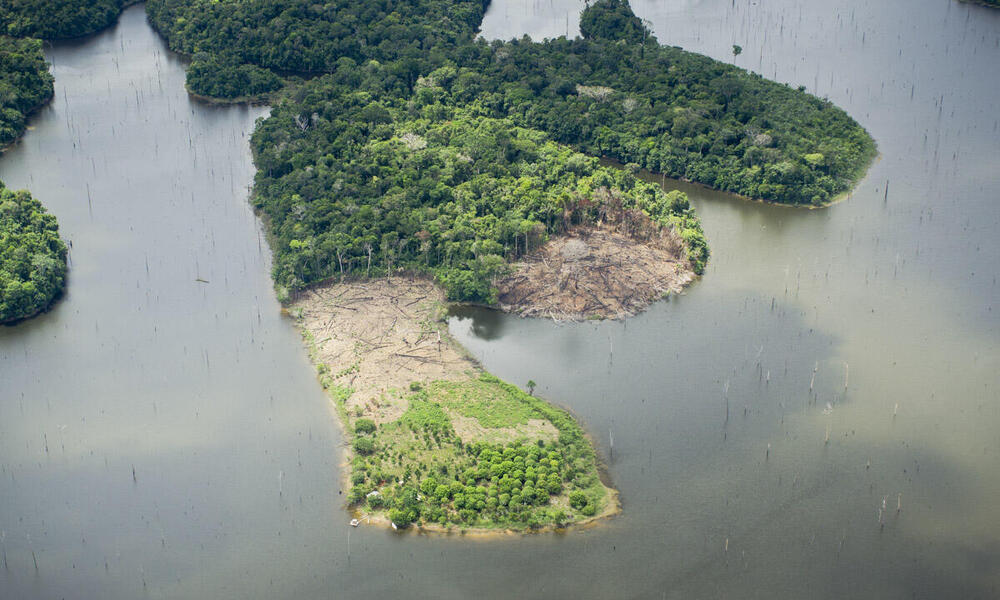
Each year, the Amazon loses thousands of square miles of forested area. Agricultural expansion, ranching, infrastructure projects, energy exploration, and illegal logging are to blame. We address the following:

  • Soy farming:

    WWF works with the Soy Roundtable—made up of soy producers, processors, and exporters—to improve the sustainability of the participants’ practices and minimize the impact on the Amazon and its wildlife. WWF is also a part of the collaborative group of NGOs behind the Soy Moratorium, a voluntary agreement between transnational trading companies, soy producers, and civil society in Brazil to ban the conversion of Amazon forests to soy after 2006, which drastically reduced deforestation for soy cultivation in the region. This was a critical first step toward taking deforestation and conversion out of soy supply chains, though more work is needed to avoid leakage of this issue to nearby ecosystems like the Cerrado savanna and Chaco woodlands.
  • Cattle ranching:

    WWF works with the beef industry to create standards that increase efficiency and reduce waste. This includes educating ranchers about why it is not necessary to convert more forests into pasture to increase profits. WWF works through the Global and US Beef Roundtables to develop principles and criteria that increase the productivity of existing cattle ranches and prevent the establishment of new ranches in high conservation value forests. Beginning with support from the Moore Foundation and now with an additional grant from the Tapestry Foundation, WWF is also working with brands and tanneries around the world to develop deforestation- and conversion-free sources of hides coming from South America, catalyzing efforts to ensure that hides don’t come from deforested land. Hydropower: Improperly sited dams can have significant impacts on fisheries, wildlife, and people who depend upon them. WWF supports low-carbon, low-cost, and low-conflict energy sources, particularly through energy scenario planning that considers alternative development options and siting of needed energy infrastructure in locations that minimize impacts on people and nature.
  • Illegal and unsustainable logging:

    High demand for timber products, weak laws, and poorly implemented trade rules lead to logging that destroys nature. WWF works to create market conditions that conserve the world’s forests but also provide economic and social benefits for businesses and people. To do so, WWF works to strengthen the US government’s ability to prosecute illegal timber cases; stop illegal logging in countries that export high volumes of timber; and ensure full implementation of the Lacey Act, a US law that prohibits illegal timber and timber products from entering the US market.
  • Infrastructure:

    In Colombia, WWF partnered with the government to create participatory, ecologically sustainable road development processes. In February 2021, the government of Colombia announced the Green Road Infrastructure (GRI) Guidelines, a set of national government guidelines for building sustainable and resilient road transport infrastructure. The Ministry of Transport, the Ministry of Environment and Sustainable Development, WWF-Colombia, and the Colombian NGO Foundation for Conservation and Sustainable Development collaborated to design the guidelines. The guidelines are a major achievement for the people of Colombia and the Amazon, taking into consideration the needs of local people as well as the health of this critical region.

Developing a Sustainable Forest Economy

Regional and global demand for natural resources, including timber and fish, can be met without devastating the environment. We work with agriculture and timber sectors to eliminate waste and increase production efficiency. We also seek to promote demand for sustainable forest products. WWF engages local Indigenous communities and governments to manage protected areas and supports local communities’ ability to earn a living sustainably. For example, as part of the US Agency for International Development-funded Amazon Indigenous Rights and Resources (AIRR) project, WWF is focused on encouraging the development and scaling of Indigenous enterprises based on the sustainable use of forest products, fisheries management, and aquaculture. And in a protected area in Bolivia, WWF supports training and organic certification for sustainable Brazil nut harvesting.