|
Ganesh Chaturthi, in Hinduism, 10-day festival marking the birth of the elephant-headed deity Ganesha, the god of prosperity and wisdom. It begins on the fourth day (chaturthi) of the month of Bhadrapada (August–September), the sixth month of the Hindu calendar.
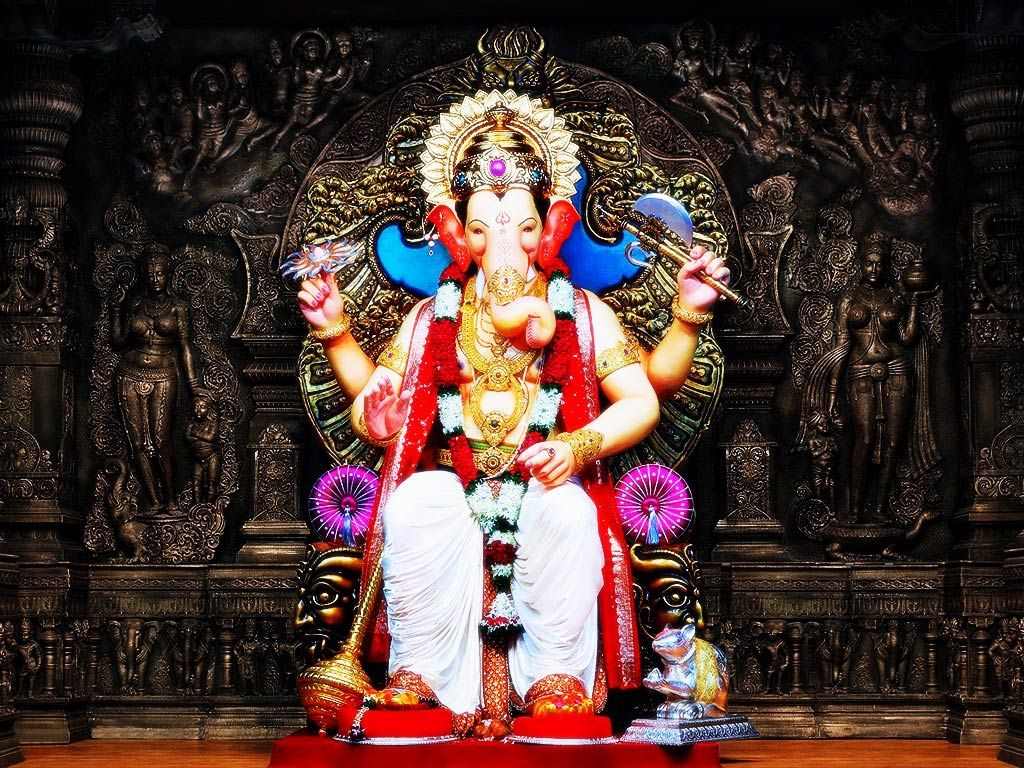
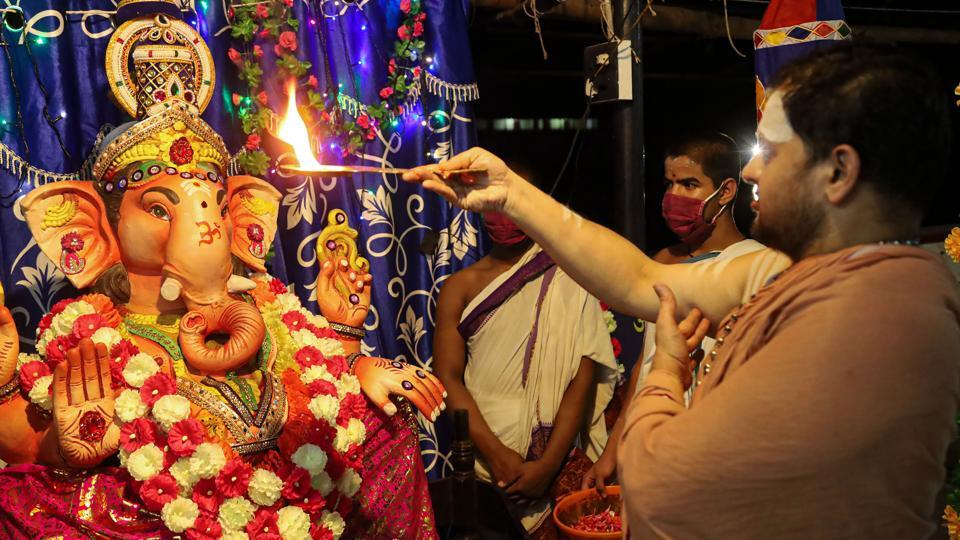
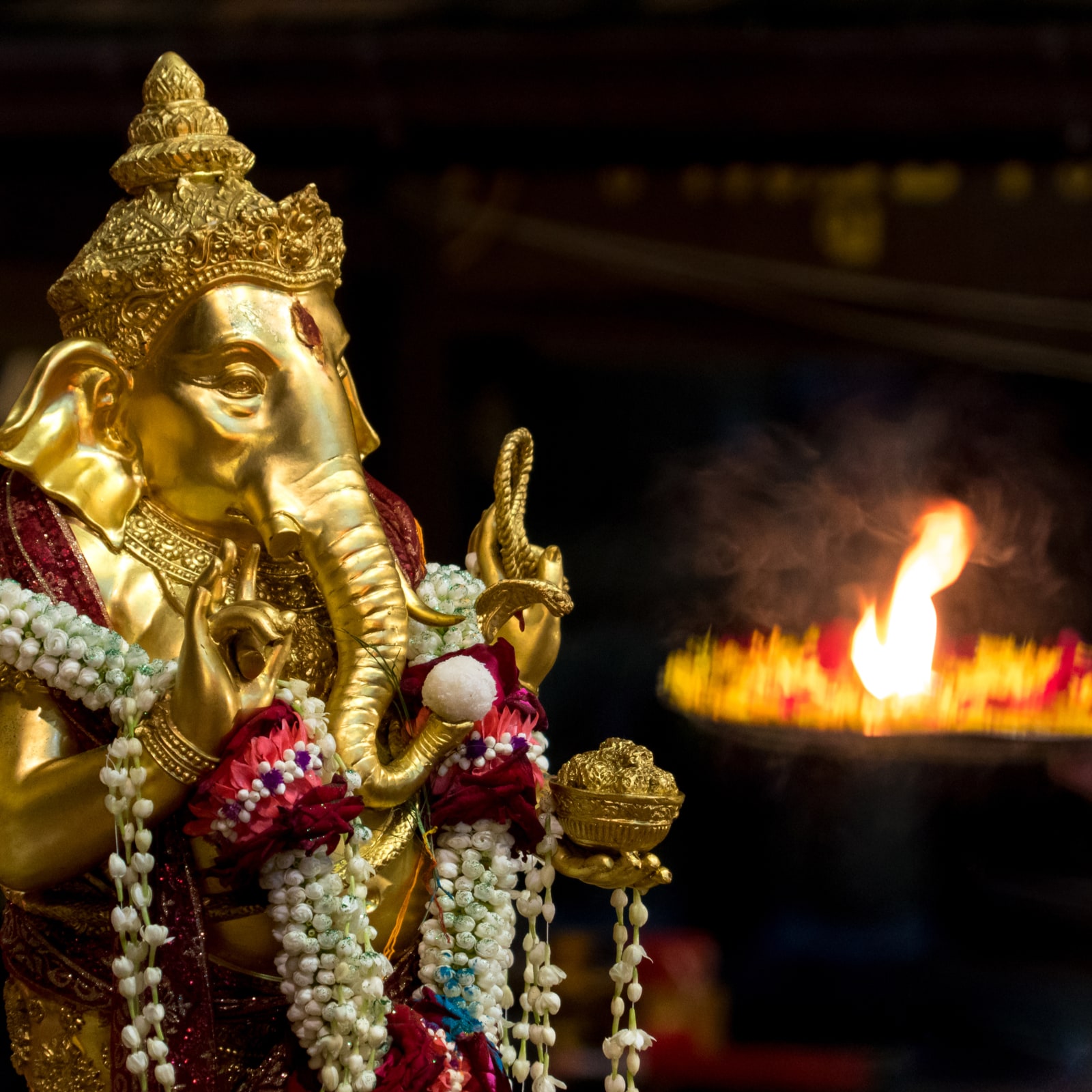
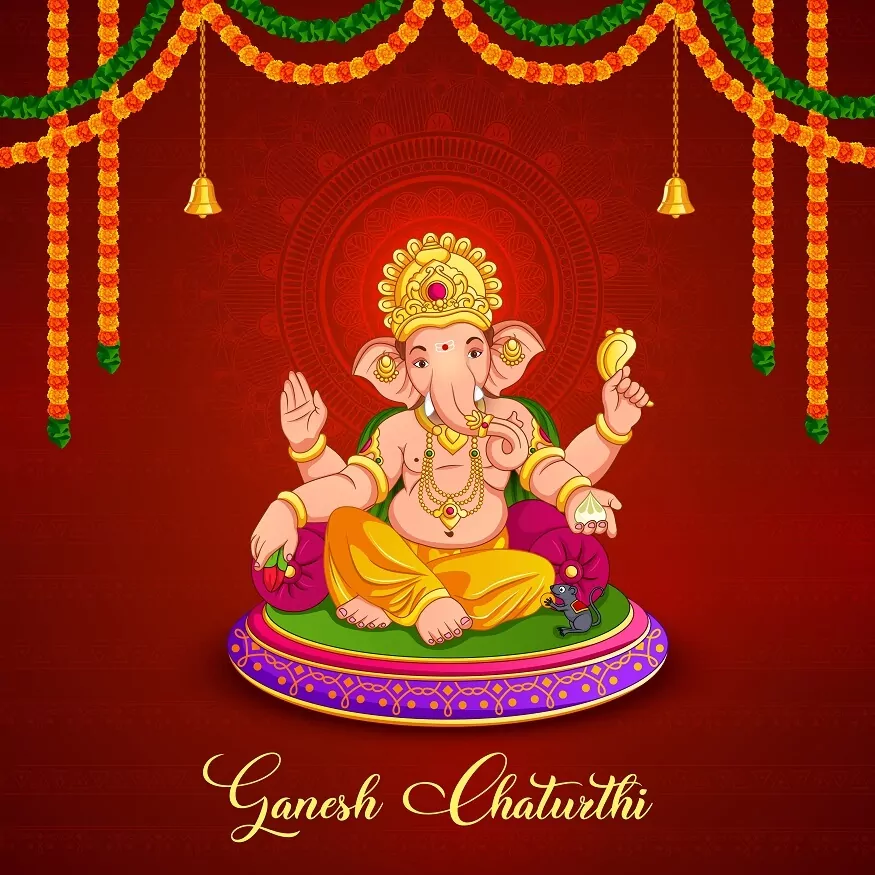
At the start of the festival, idols of Ganesha are placed on raised platforms in homes or in elaborately decorated outdoor tents. The worship begins with the pranapratishtha, a ritual to invoke life in the idols, followed by shhodashopachara, or the 16 ways of paying tribute. Amid the chanting of Vedic hymns from religious texts like the Ganesh Upanishad, the idols are anointed with red sandalwood paste and yellow and red flowers. Ganesha is also offered coconut, jaggery, and 21 modaks (sweet dumplings), considered to be Ganesha’s favourite food.
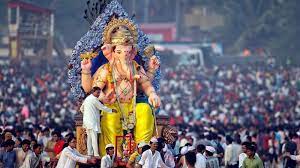
At the conclusion of the festival, the idols are carried to local rivers in huge processions accompanied by drumbeats, devotional singing, and dancing. There they are immersed, a ritual symbolizing Ganesha’s homeward journey to Mount Kailas—the abode of his parents, Shiva and Parvati.
Ganesh Chaturthi assumed the nature of a gala public celebration when the Maratha ruler Shivaji (c. 1630–80) used it to encourage nationalist sentiment among his subjects, who were fighting the Mughals. In 1893, when the British banned political assemblies, the festival was revived by the Indian nationalist leader Bal Gangadhar Tilak. Today the festival is celebrated in Hindu communities worldwide and is particularly popular in Maharashtra and parts of western India.
|
 |
|
Ganesh Chaturthi (guh-NESH cha-TUR-thee) is a festival that pays homage to Lord Ganesh, the remover of obstacles, and celebrates the day of his birth. Many recognize that Lord Ganesh brings order in this universe and worship him before embarking on a new endeavor, intellectual journey, or business enterprise. Therefore, it is common to see images or statues of him in these places.
One of Hinduism’s most revered personalities, Ganesha is widely recognized for having the head of an elephant and is the son of Shiva (the God of Transformation) and his wife Parvati.
Every year, his birth is celebrated with a 10-day festival, during which four main rituals, namely Prana Pratishta, Shodashopachara, Uttarpuja, and Ganpati Visarjan are performed.
Festivities begin as Ganesha deities, generally made of clay and decorated with flowers and lights, are set up in private homes and/or temporary public stages called pandals. Priests then conduct Prana Pratishta, a ceremony in which mantras are recited, invoking Ganesha’s presence into the clay deity, after which he is offered formal prayers in a 16-step worship called Shodashopachara.
During each day of the celebration, prasad, or food blessed by the deity, is distributed throughout the community. Followers also meditate on the many aspects of his form, which symbolize deeper spiritual truths, while many choose to observe fasts.
On the last day of the festival, Uttarpuja is performed, a ritual bidding Ganesha farewell. After, he is carried in a public procession with kirtan (devotional music) to a nearby body of water in which he is immersed. This custom is Ganpati Visarjan, and it symbolizes his return to Mount Kailash, a peak in the Himalayas where Shiva and Parvati are said to reside.
Though no one really knows exactly how far back in history Ganesha Chaturthi has been observed, some historians believe the festival became a major public event in the 1600s when Indian king, Shivaji Bhosale I, first sponsored the celebration.
The festival is said to have been revitalized later in the 19th century as a symbol of India’s independence movement, by freedom fighter Bal Gangadhar Tilak.
In 1892, the cities of Pune and Mumbai became packed with devotees, despite the fact that such large gatherings were not allowed by the British. The 10-day festival was celebrated with a patriotic gusto fueled by a united deep devotion and love for Ganesha.
To this day, Hindu festivals continue to be celebrated with similar pomp and fervor, signifying the everlasting power such devotion can generate.
|