|
Buddha Purnima, also known as Buddha Jayanti, marks the birth of Prince Siddharta Gautama, who later became known as the Buddha and founded Buddhism. The term 'Purnima' translates to 'full moon' in Sanskrit, and the festival is celebrated on a full moon day during the month of 'Vaisakhi' in Hindu/Buddhist lunar calendars. 'Jayanti' means 'birthday'. Buddha Purnima also known as Buddha Jayanti or Vesak is a Buddhist festival. The festival marks the birth, enlightenment and death of Gautama Buddha and is celebrated by the Buddhist community across the country as well as in countries like Sri Lanka, Indonesia, Malaysia etc. The festival holds special importance and is celebrated with a lot of enthusiasm.
The date varies from year to year in the Gregorian calendar and is typically celebrated on the full moon day of Vesakh. The date of the festival typically falls in the month of April or May. This is because the exact date is based on the Asian lunisolar calendars. If it is a leap year, the festival falls in the month of June.
|
 |
|
Gautam Buddha is born as Siddhartha Gautama to King Suddhodana. He was brought up in great luxury. Since it was predicted at his birth that the prince would go on to become a great monarch, he was kept isolated from the outside world so that he wouldn't be influenced by towards a religious life. However, at the age of 29, the prince decided to see more of the world and began excursions off the palace grounds in his chariot. On his trips, he saw an old man, a sick man, and a corpse. Since, Siddhartha Gautama had been protected from the miseries of aging, sickness, and death his charioteer had to explain what they were. Towards the end of the trip, he saw a monk and was impressed with the man's peaceful demeanor. Hence, he decided to go into the world to discover how that man could be so serene despite such sufferings all around him.
He left the palace and became a wandering ascetic. He studied medication under Alara Kalama and Udraka Ramaputra and soon mastered their systems. He reached high states of mystical realization but as he was unsatisfied, he went out in search of nirvana, the highest level of enlightenment. He seated himself under a banyan tree and sought to attain enlightenment. Once, he attained enlightenment, he went about preaching about it and founded Buddhism.
Important Milestones in Early Buddhism
563 B.C.: Prince Siddharta Gautama is born in Lumbini, Nepal. He later becomes known as Buddha, the founder of Buddhism.
528 B.C.: Buddha gains enlightenment while meditating under a Bodhi tree in Bodh Gaya, Bihar, India. This event is known as the "Awakening."
483 B.C.: Buddha attains nirvana, the release from the cycle of rebirth, and passes away in a state of deep meditation.
269-231 B.C.: During the reign of King Ashoka, a patron of Buddhism, Buddhist evangelism begins and the religion spreads throughout Asia.
Celebration of Buddha Purnima
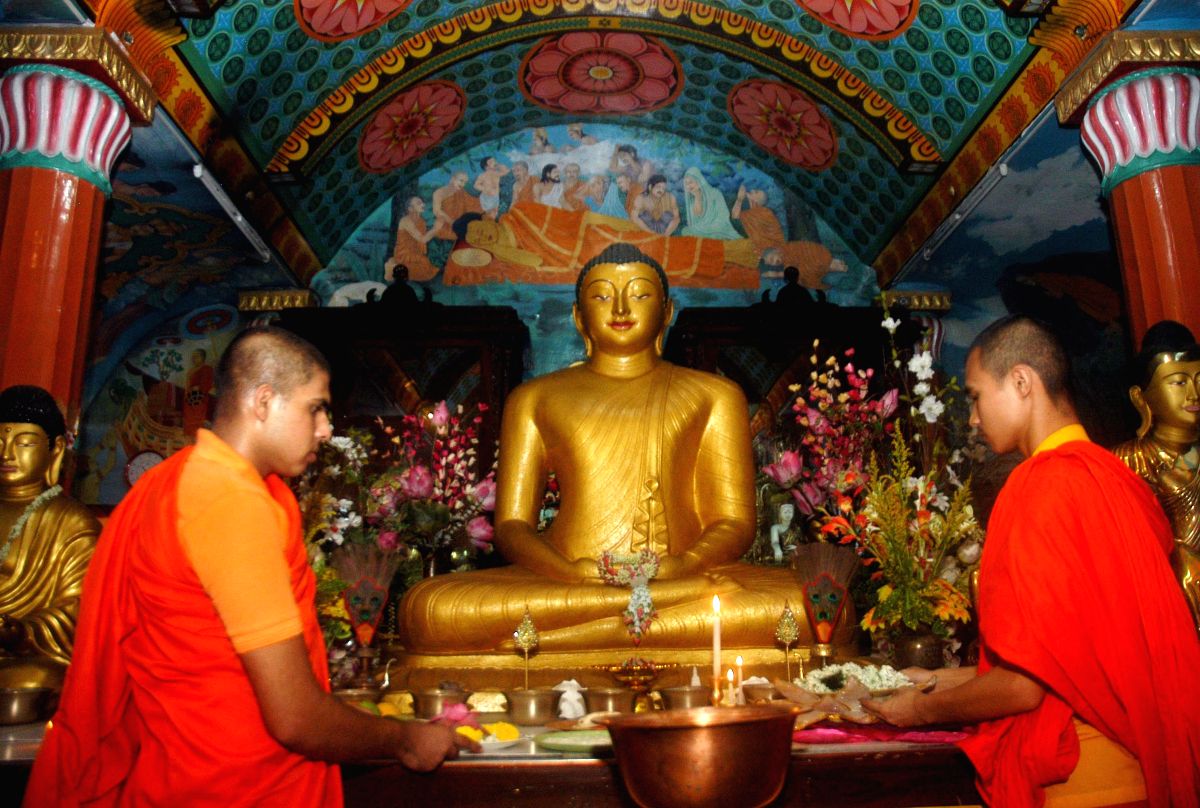
On the day of the festival, Buddha idols are worshipped as well as prayer meets are held. Devotees visit Buddhist shrines, recite Buddhist scriptures and take part in religious discussions and group meditations.
On the occasion of the festival, the Mahabodhi temple in Bodhgaya is beautified with hued decorations and special prayers are held under the Bodhi tree, where Gautama Buddha attained enlightenment. The national museum in Delhi lets people see the holy remains of Lord Buddha on the occasion. A sweet dish called 'Kheer' which is made using rice and milk is prepared on the day of the festival.
|