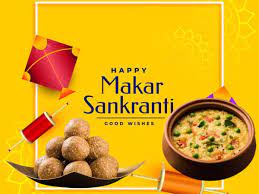
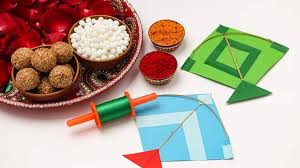
| Makar Sankranti, a vibrant festival celebrated across India, marks the transition of the sun into the zodiac sign of Capricorn (Makara). It usually falls on the 14th or 15th of January, symbolizing the end of the winter solstice and the onset of longer days. This auspicious day holds great significance culturally, socially, and spiritually.
As the sun enters the northern hemisphere, bringing warmth and vitality, Makar Sankranti heralds the season of harvest, prosperity, and new beginnings. It is a time for rejoicing and expressing gratitude to nature for its abundance. The festival is characterized by colorful festivities, traditional rituals, and mouthwatering delicacies. |
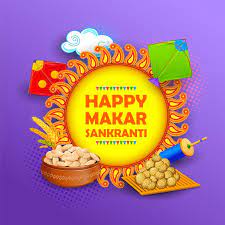 |
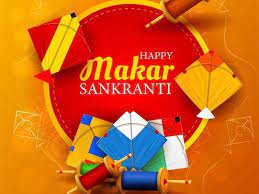
| One of the most cherished customs of Makar Sankranti is the flying of kites. Across rooftops and open fields, people of all ages engage in spirited kite-flying competitions, adding to the festive fervor. The sky becomes a canvas adorned with countless colorful kites, symbolizing joy, freedom, and the soaring spirit of human endeavor.Makar Sankranti also holds deep spiritual significance. It is believed that taking a dip in sacred rivers, such as the Ganges, Yamuna, or Godavari, on this day cleanses one's sins and bestows divine blessings. Devotees offer prayers to the sun god, expressing gratitude for the life-sustaining energy and seeking his benevolent blessings for a prosperous future. |